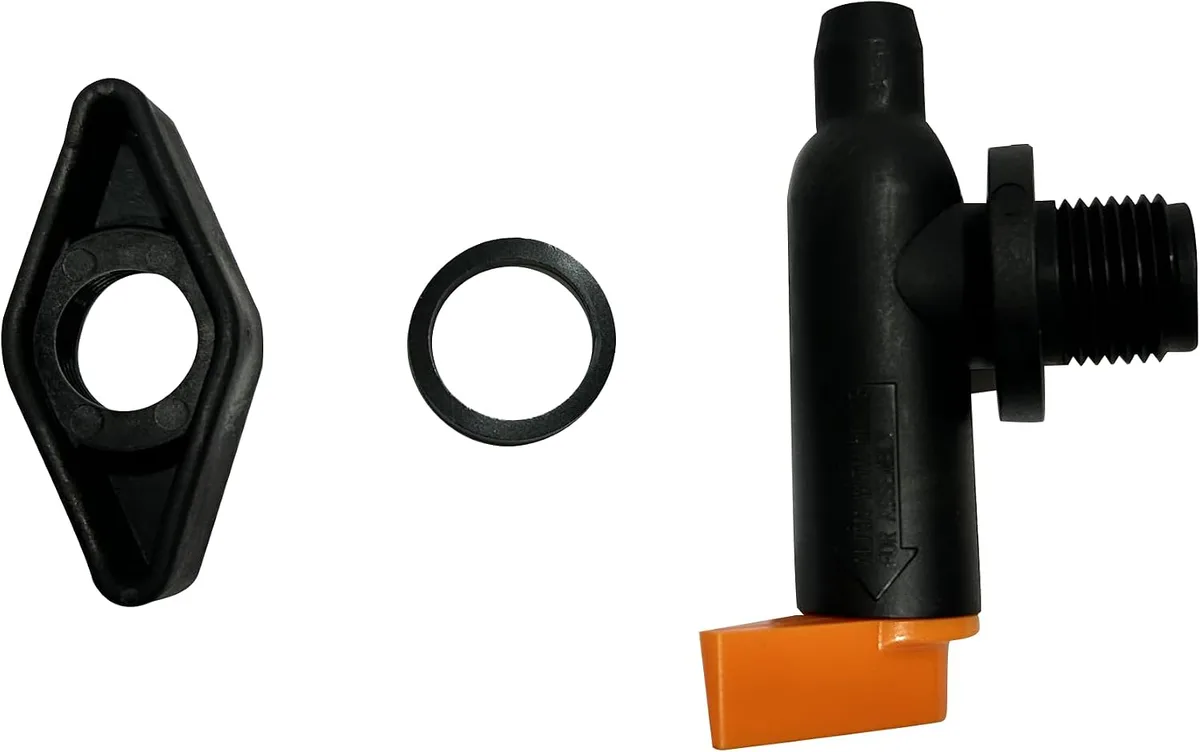

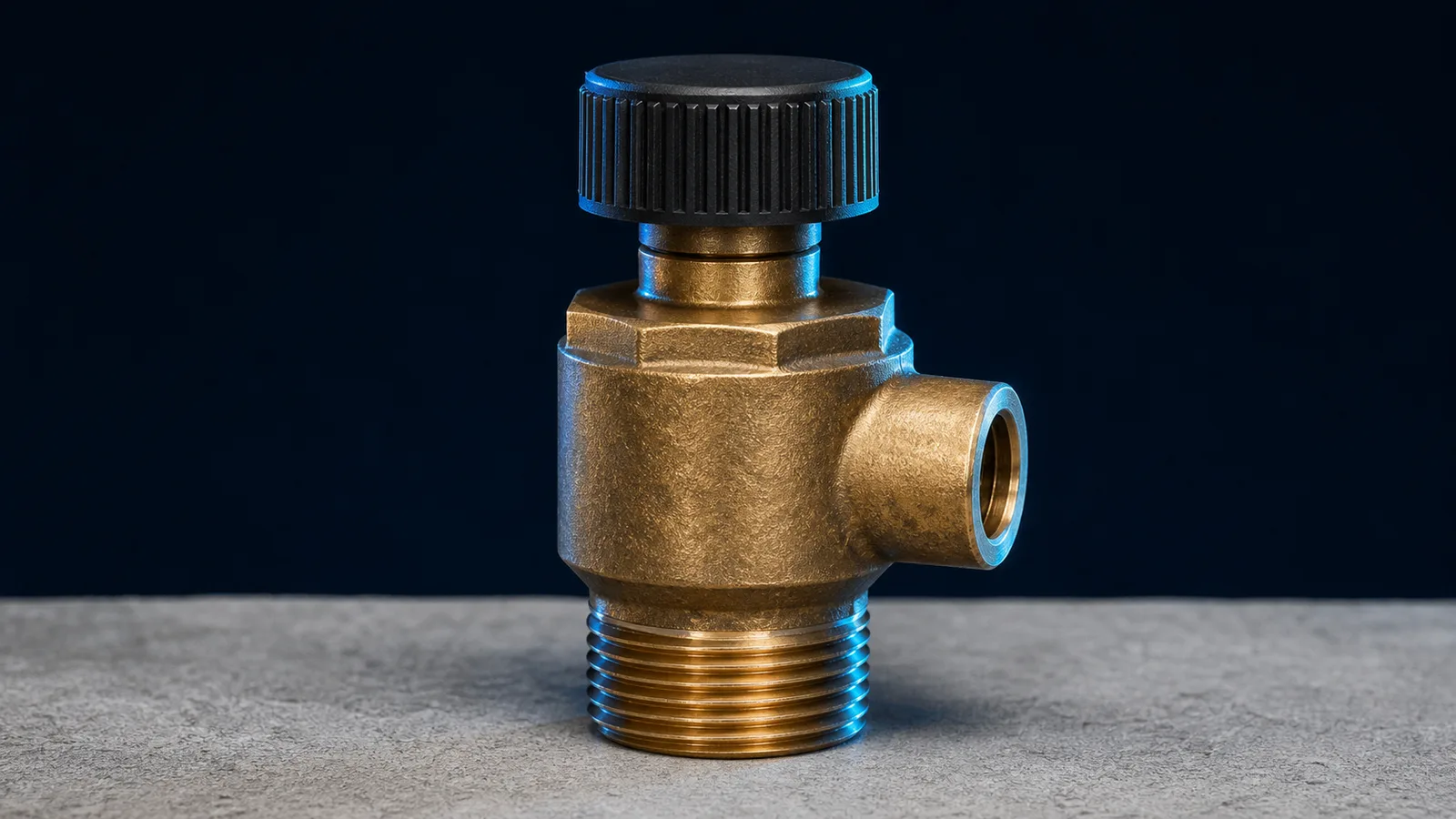
Air in a pool filter is one of those problems that looks cosmetic and is not. A hissing relief valve, a burst of bubbles at the returns on startup, a gauge needle that jumps around — all of it traces back to air that entered the system somewhere and collected at the highest point, which is the top of the filter tank. This article covers where the air comes from, why bleeding it is a safety matter and not just a housekeeping one, and how to service or replace the air relief hardware on Hayward, Pentair and Sta-Rite filters.
Where the air comes from
A filter tank should be completely full of water when the system runs. When it is not, the air arrived one of a few ways:
- Low water level. When the pool surface drops far enough, the skimmer gulps air along with water and sends it straight through the pump into the tank. This is the most common cause and the cheapest to fix.
- Suction-side leaks. Any joint between the water and the pump's impeller that is not airtight will pull air in under vacuum: a dry or cracked pump lid o-ring, a loose drain plug, a failing valve stem, a weeping threaded fitting. These leaks often do not drip when the pump is off, which is what makes them hard to find.
- Service work. Every time a pump basket is emptied, a cartridge is cleaned or the system is opened for any reason, air enters the plumbing and ends up in the tank on restart. This is normal — it is exactly what the air relief valve exists to clear.
- Vacuuming and cleaning. Hose-connected cleaning introduces air whenever the hose is not fully primed before it is attached.
Why trapped air must be bled
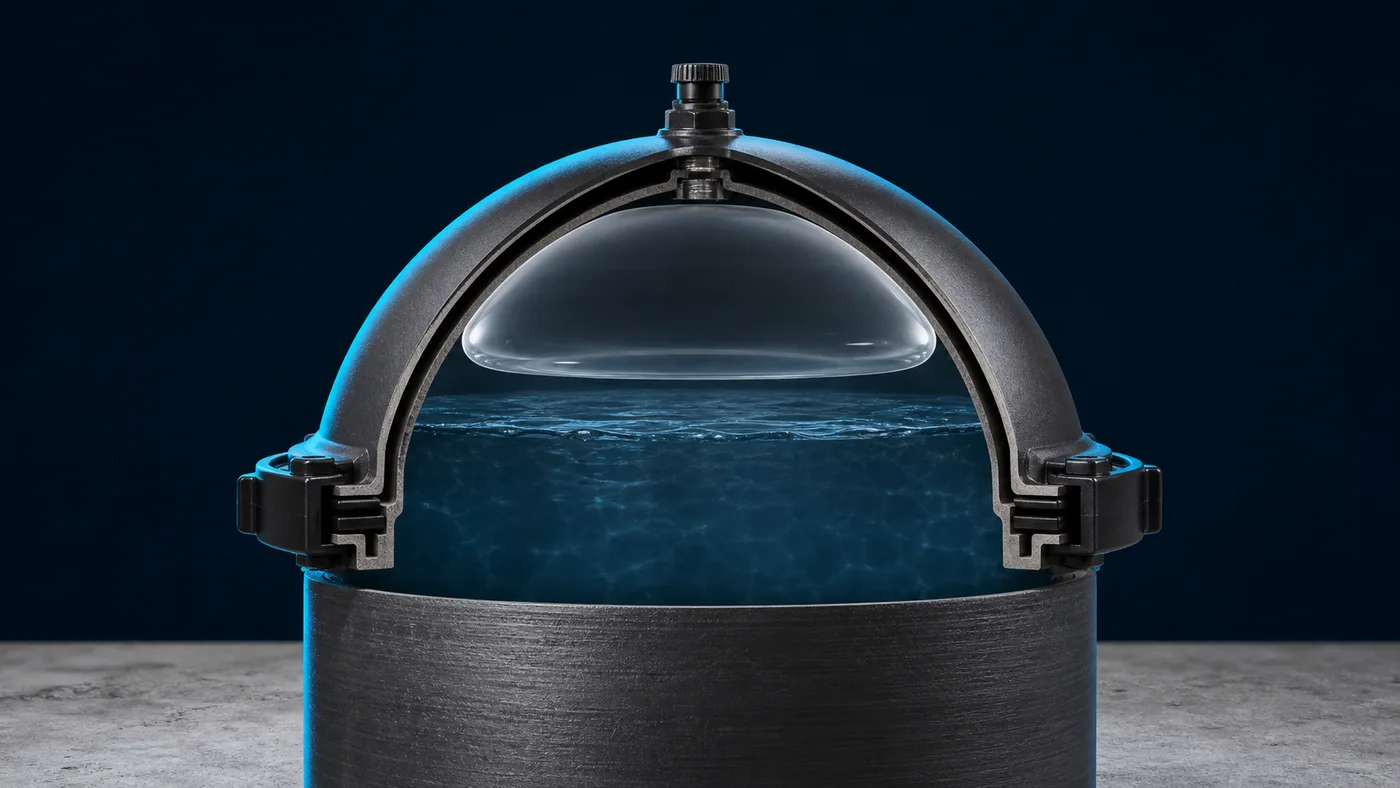
Trapped air causes three distinct problems, in ascending order of seriousness. First, filtration suffers: an air pocket at the top of the tank keeps part of the media out of the water column, so the filter works on less area than it was designed for and pressure climbs faster than it should. Second, readings lie: a gauge on a tank with an air pocket behaves erratically, and pressure-based service schedules stop meaning anything.
Third, and most important, compressed air is stored energy. Air compresses; water effectively does not. A tank holding a large air pocket under pressure can launch a lid, a clamp or a fitting with serious force if something lets go, which is why every equipment-opening procedure starts the same way: shut off the pump at the breaker, then open the air relief valve and relieve all pressure before loosening anything. A filter whose relief valve is seized, broken or missing cannot be depressurized properly, which makes a working relief valve a safety component, not an accessory.
The operating habit is simple: after any service, start the pump with the relief valve open and close it only when water sprays steadily instead of air. If the valve hisses air during normal daily operation, air is entering continuously and the source needs to be found.
Manual vs automatic air relief
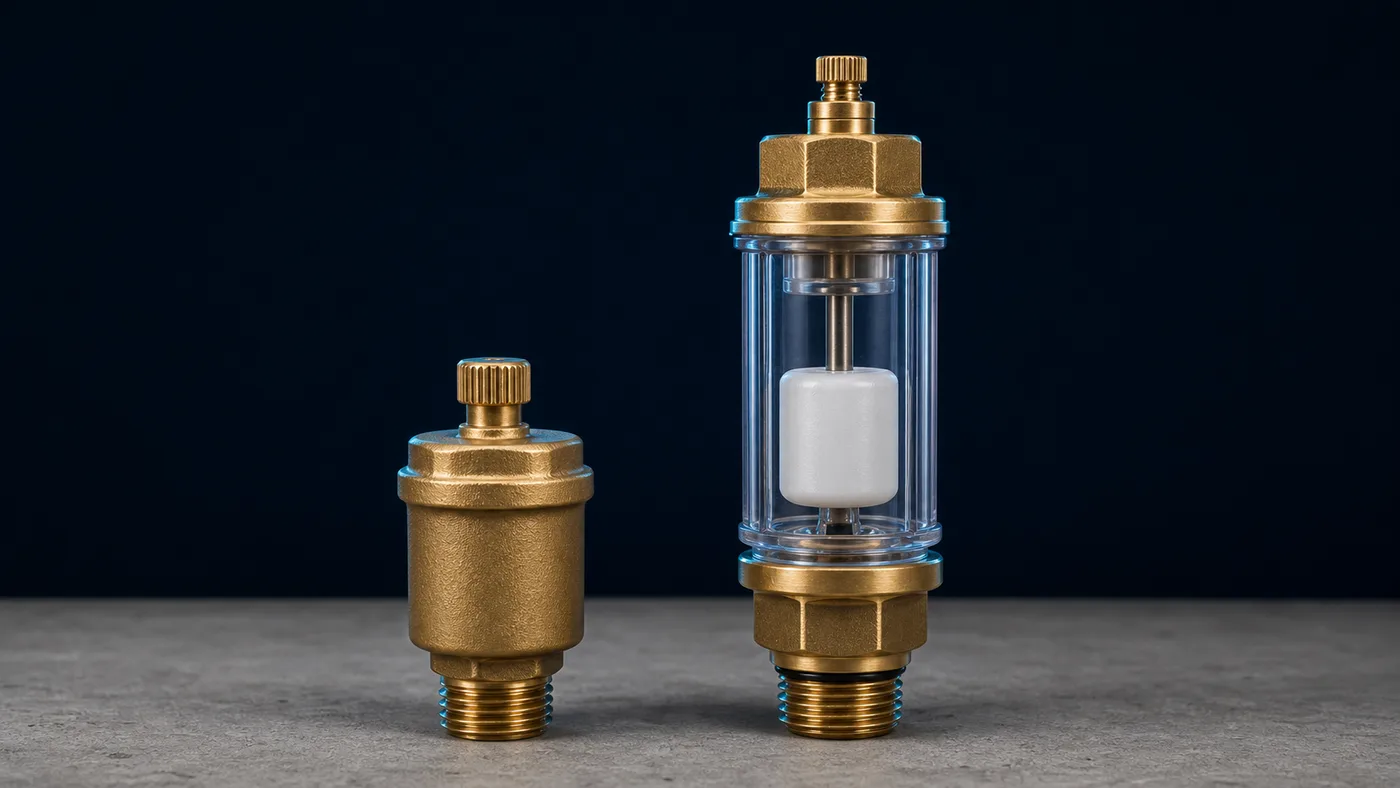
Filters manage air in two ways, and many use both. A manual air relief is the valve on top of the tank that the operator opens by hand — simple, visible, and entirely dependent on someone actually using it. An automatic (internal) air relief works continuously while the pump runs, passing accumulated air back out of the tank without operator action. Automatic relief hardware fails quietly: a clogged or cracked internal assembly simply stops moving air, and the only symptom is that the tank starts holding a pocket again. Manual valves fail loudly: stripped threads, cracked bodies, stems that snap off in the closed position. Both belong on an inspection checklist, and neither is worth rebuilding when a complete replacement assembly costs little and installs in minutes on a depressurized tank.
Replacement parts by brand
The parts below are POOLPOINT factory replacements for the common air relief hardware across the major brands. All install the same way: power off at the breaker, pressure fully relieved, old assembly removed, sealing surfaces cleaned, and the new assembly threaded in carefully — plastic threads seal with modest torque, and over-tightening cracks more valve bodies than pressure ever does.
Hayward filters
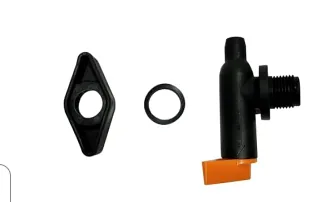
The POOLPOINT part CCX1000V is an air relief serving Hayward DE, sand and cartridge filters, cross-referencing Hayward CCX1000V. One SKU covering the three filter types simplifies truck stock considerably.
Pentair sand filters
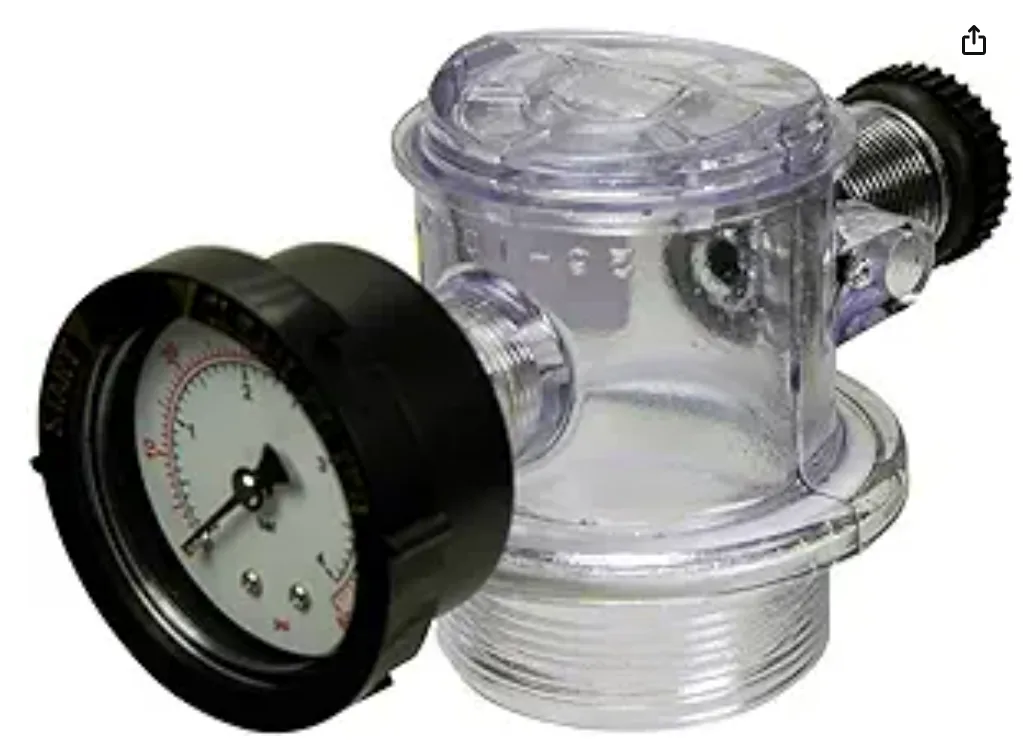
For Pentair pool and spa sand filters, the POOLPOINT part 273564Z is a complete manual air relief assembly, cross-referencing Pentair 273564Z. Sand filter relief valves live in a wet, chemical-heavy environment and seize more often than they crack; replacement beats penetrating oil on a part this inexpensive.
Pentair air bleeder
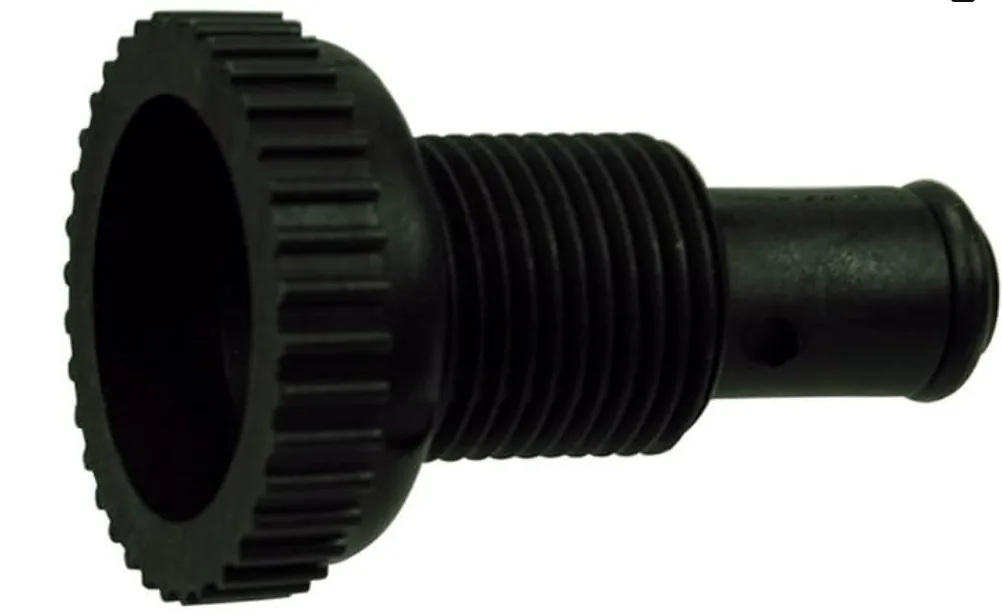
The POOLPOINT part 273512 is an air bleeder supplied with its o-ring, cross-referencing Pentair 273512. The included o-ring matters — reusing a flattened bleeder o-ring is a classic source of the slow top-of-tank drip that gets misdiagnosed as a cracked tank.
Sta-Rite filters
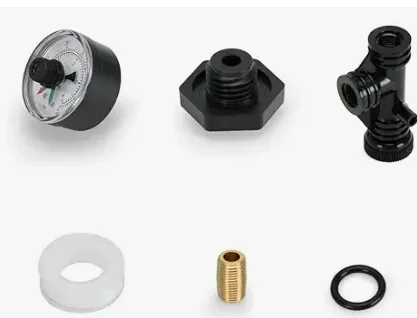
For Sta-Rite systems, the POOLPOINT part 24850-0105 is a complete valve and gauge assembly in black, cross-referencing Sta-Rite 24850-0105. Replacing valve and gauge as one assembly restores both the relief function and a trustworthy pressure reading in a single service step.
Cross-reference table
| OEM number | POOLPOINT part | Notes |
|---|---|---|
Hayward CCX1000V |
CCX1000V |
Air relief for Hayward DE, sand and cartridge filters |
Pentair 273564Z |
273564Z |
Manual air relief assembly for pool and spa sand filters |
Pentair 273512 |
273512 |
Air bleeder, supplied with o-ring |
Sta-Rite 24850-0105 |
24850-0105 |
Complete valve and gauge assembly, black |
Fix the source, not just the symptom
A new relief valve clears the tank; it does not stop air from entering. If bleeding becomes a daily ritual, work the suction side systematically: verify water level at mid-skimmer, then check the pump lid and its o-ring, the pump drain plugs, and every valve and threaded fitting between the pool and the pump. Watching the pump basket through the lid is the quickest diagnostic — a steady stream of bubbles with a correct water level means a suction-side leak, and the leak is almost always at a joint that was recently disturbed.
Sourcing
POOLPOINT manufactures these air relief assemblies factory-direct for US distributors, service companies and online sellers, compatible with Hayward, Pentair and Sta-Rite filters. MOQ starts at 50 pcs per SKU with private label available — request a quote for wholesale pricing.