
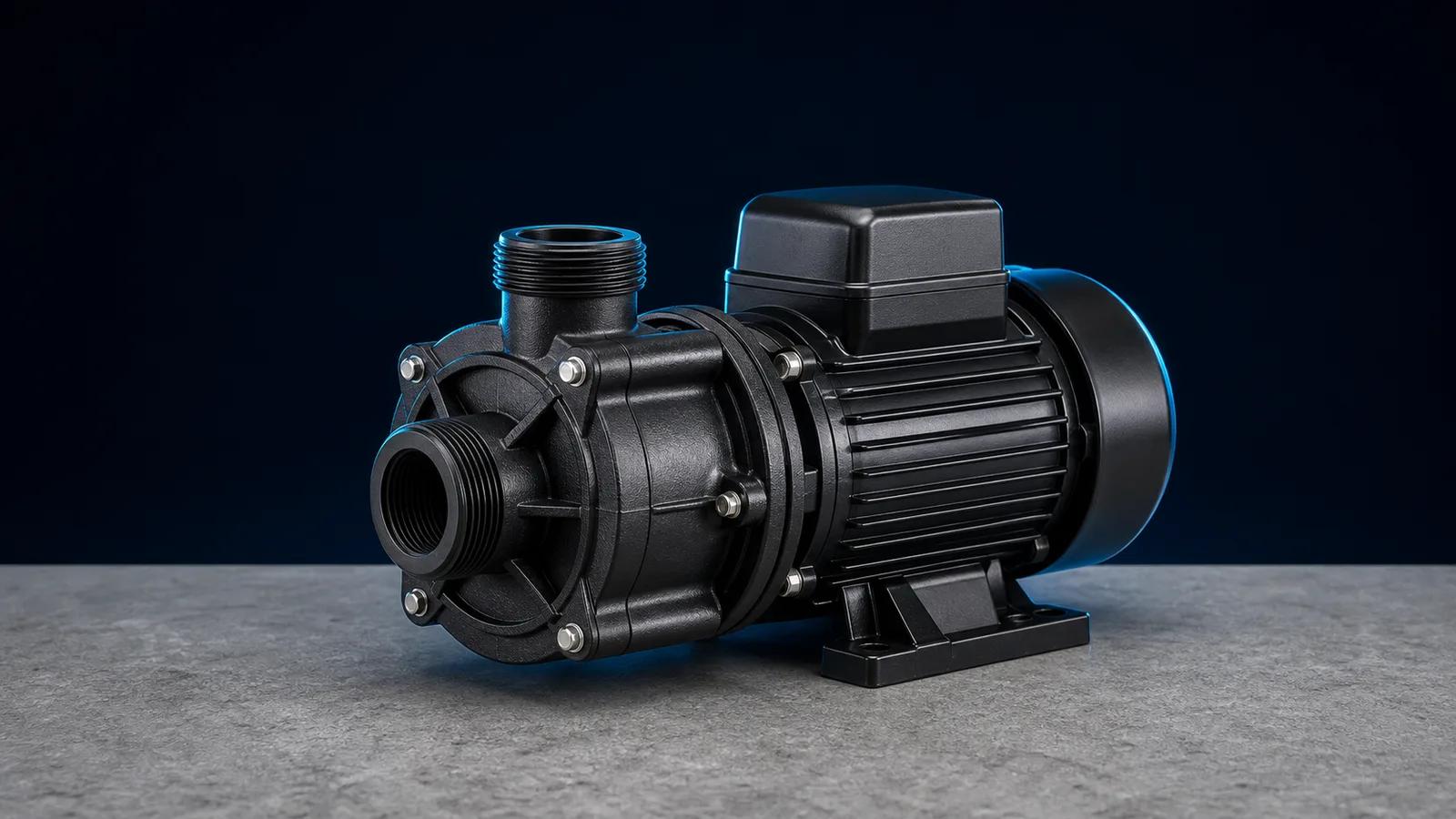
The complaint that gets a Polaris PB4-60 on the schedule almost never mentions the pump. The customer says the cleaner is slow, stops climbing walls, or leaves half the pool dirty — and by the time a tech traces the pressure side back to the pad, there is often a drip line under the booster pump to go with it. Both complaints usually resolve with the same visit: an impeller and O-ring rebuild of the wet end. Here is how to diagnose it and do the job.
What the booster pump does, and why it wears out
The PB4-60 exists for one purpose: it takes water already pressurized by the main circulation pump and boosts it to drive a pressure-side cleaner such as a Polaris wheeled cleaner. The cleaner's wheels, tail sweep, and venturi vacuum all run off that water pressure, so cleaner performance tracks booster output almost one to one.
Two things make booster pumps high-wear items. First, duty cycle: a booster typically runs on a timer for hours every day, all season. Second, abuse: the pump depends entirely on the main pump for supply, so any air in the system, a clogged pump basket, or a mis-set valve starves it. A booster that runs starved or dry overheats its seal and cooks its O-rings quickly. The wet end — impeller and sealing rings — is the consumable part of the machine, and it is rebuildable in under an hour on the pad.
Symptoms that call for a wet-end rebuild
Leak at the volute
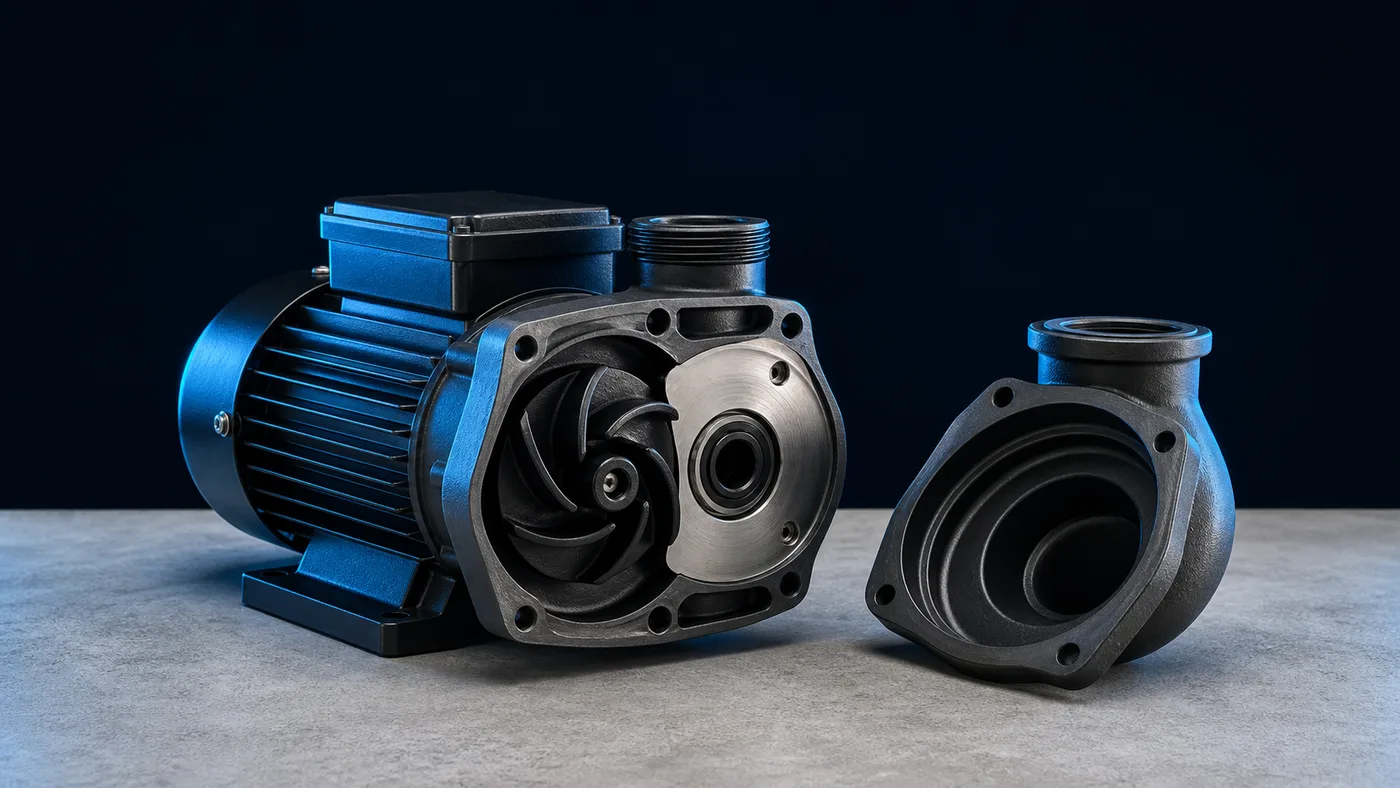
A drip or spray where the volute (the front pump body) meets the seal housing means the O-ring between the halves has flattened, hardened, or cracked. On an outdoor pump baked by sun and chlorinated water, this is routine aging. A leak lower down, tracking from behind the volute along the pump base, usually implicates the shaft seal — inspect it while the pump is open, because a leaking shaft seal left in service will take out the motor bearings.
Worn or damaged impeller
The impeller is the other classic failure. Signs in the field:
- The cleaner moves sluggishly or its wheels barely turn even though the booster is running and the line is clear. Compare wheel speed against the cleaner manufacturer's specification if in doubt.
- Weak tail-sweep action and poor debris pickup.
- The booster sounds normal but output pressure at the cleaner line is clearly down.
- Rattling or grinding from the wet end — often debris damage. The booster has no strainer basket of its own, so anything that gets past the main pump's basket goes through the booster impeller.
- Visible wear on inspection: rounded, chipped, or eroded vanes, or an impeller that has worn loose on the shaft.
Any of these on a pump that is otherwise mechanically sound — quiet motor, good bearings, no shaft play — points to a rebuild rather than replacement.
The rebuild kit
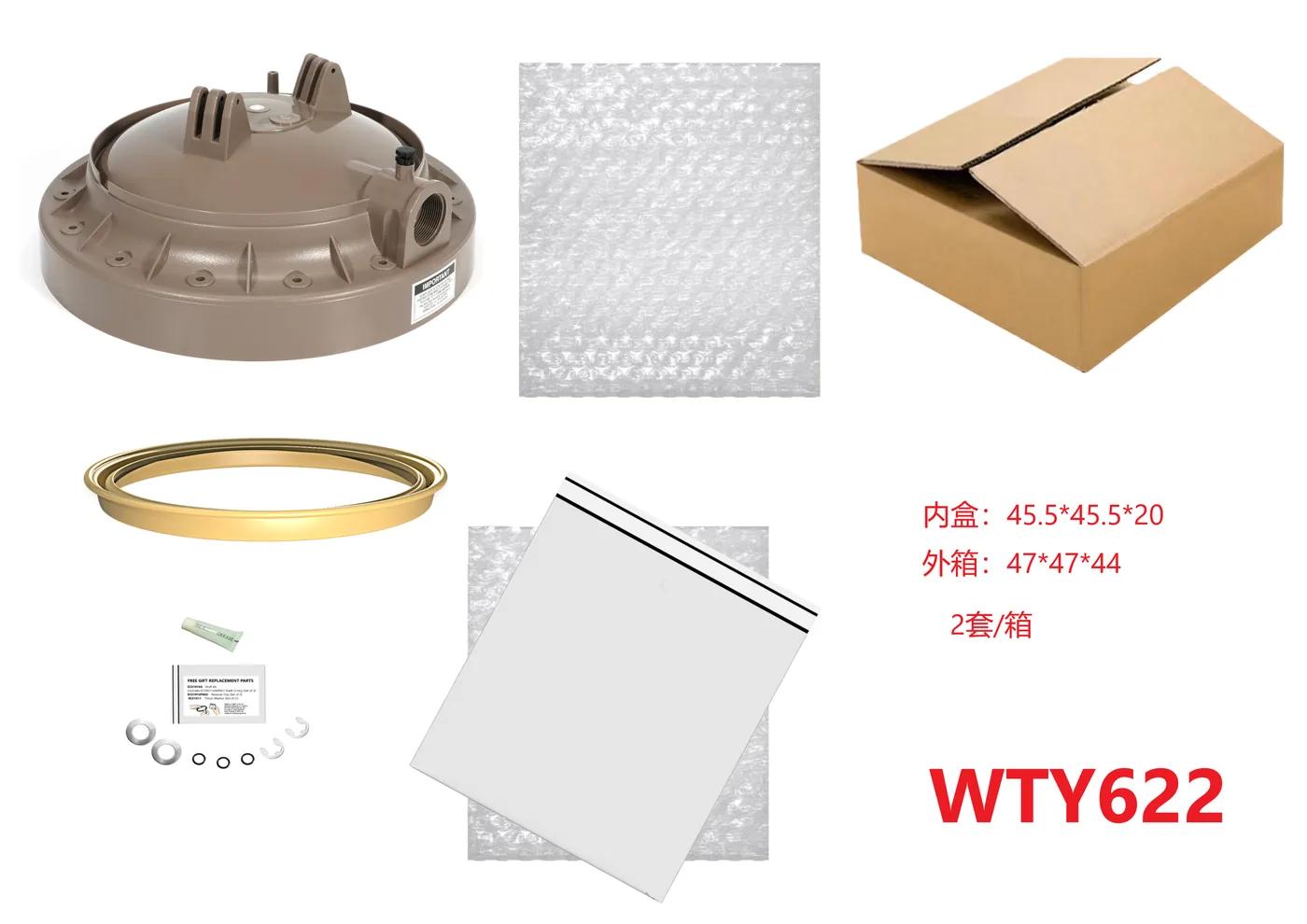
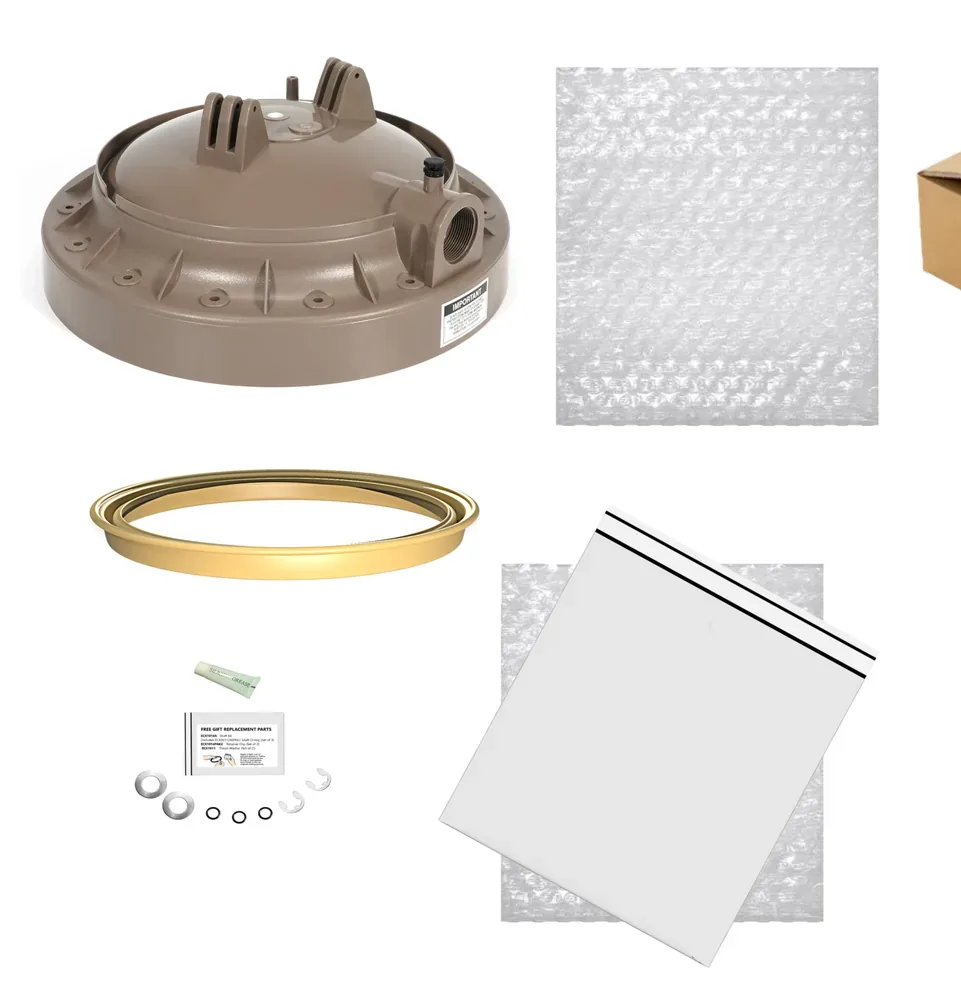
POOLPOINT's R0536300 impeller and O-ring kit is the aftermarket rebuild package for the PB4-60, replacing the Zodiac OEM numbers listed in the cross-reference table below. It pairs the two wear items that should always be changed together: a leaking O-ring and a worn impeller have the same root causes (heat, chemistry, and hours), so replacing one while reinstalling the other half of the wear set is a callback waiting to happen.
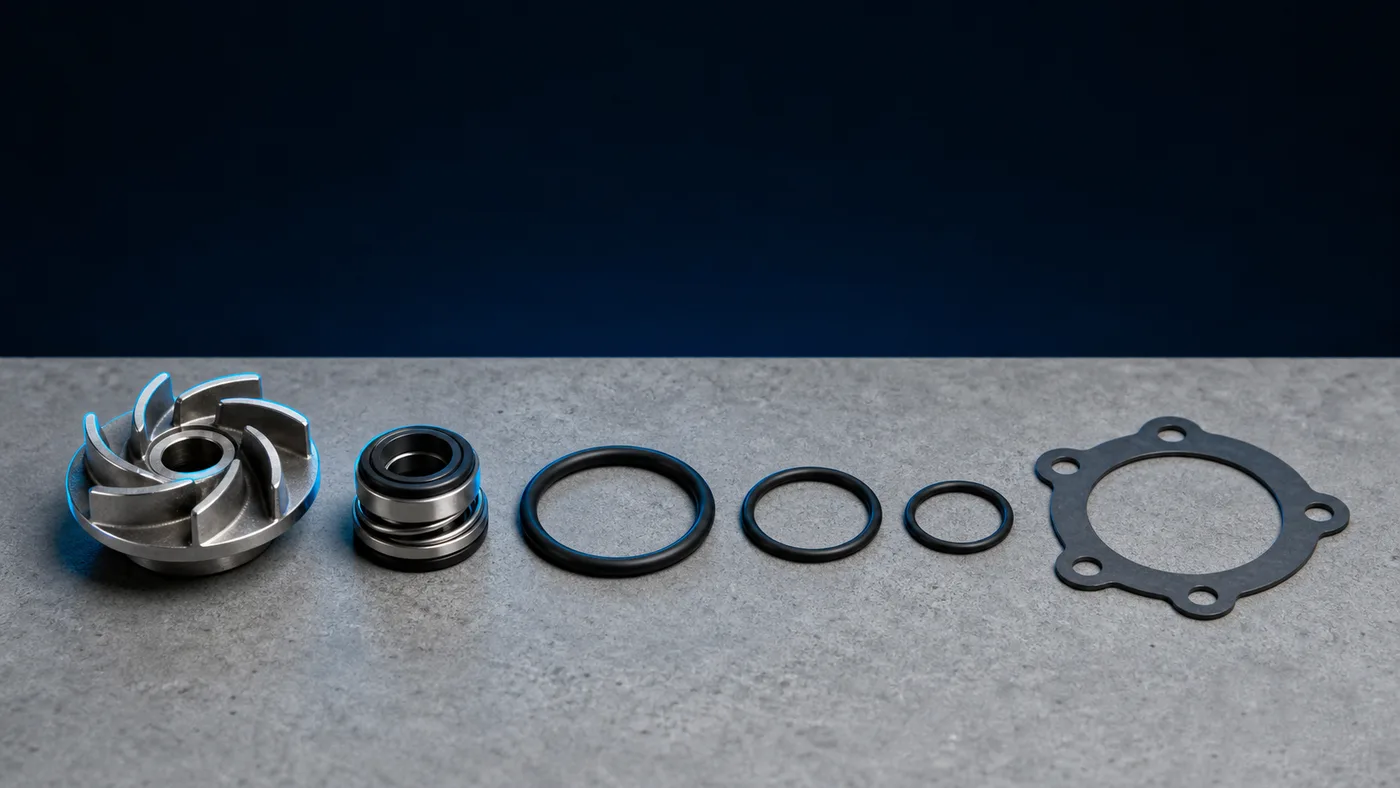
Rebuild walkthrough
Isolate and open
- Kill power to the booster and the main circulation pump at the breaker. A booster fed by a running main pump is under pressure even when its own motor is off.
- Relieve system pressure — open the filter's air relief — and close or plug the booster's suction and discharge connections as needed so the pad does not drain onto the equipment.
- Disconnect the booster's unions or hose connections and remove the bolts joining the volute to the seal housing. Pull the volute clear and note the orientation of every part; a phone photo of the stack-up saves time later.
Replace the wear parts
- Hold the shaft per the service manual and unthread the impeller. Impellers thread on so that motor rotation tightens them — expect it to be snug.
- Inspect the shaft seal faces while the impeller is off. If the seal shows scoring, scale trails, or any history of leaking from the weep area, replace it before closing up; it is minutes now versus a full teardown later.
- Remove every old O-ring from its groove, and clean the grooves and mating faces down to bare, smooth plastic. Old flattened rubber and scale are why fresh O-rings weep.
- Install the new impeller from the
R0536300kit, threading it home firmly by hand. - Seat the new O-rings dry-fit first, then lubricate them with pool-safe silicone lubricant — never petroleum products, which attack rubber.
Close and test
- Reassemble the volute, drawing the bolts down evenly in a cross pattern so the O-ring compresses uniformly. Snug is the target; cracking a volute lug by over-tightening turns a rebuild into a housing replacement.
- Reconnect the plumbing, restore the main pump first, bleed air, and confirm steady flow to the booster's suction line. Never run the booster without supply water.
- Start the booster and check the volute joint and shaft area for weeps under full pressure. Then check the result where the customer will: the cleaner should move briskly, climb, and sweep the way it did when new.
Cross-reference
| OEM number | POOLPOINT part | Notes |
|---|---|---|
Zodiac 17307 |
R0536300 |
PB4-60 booster pump impeller and O-ring kit |
Zodiac 355301 |
R0536300 |
Covered by the rebuild kit |
Zodiac 357199 |
R0536300 |
Covered by the rebuild kit |
Zodiac R0536300 |
R0536300 |
Direct aftermarket equivalent |
Zodiac R0536400 |
R0536300 |
Covered by the rebuild kit |
Zodiac SPX3100D |
R0536300 |
Covered by the rebuild kit |
Rebuild or replace the pump?
Rebuild when the motor is healthy: quiet bearings, no shaft play, no tripped-breaker history. Replace, or quote a motor swap, when the motor growls, the shaft is scored at the seal surface, or the housing is cracked. For a service company, the math favors carrying rebuild kits on the truck — one visit, no waiting on a whole pump, and the labor is under an hour.
Sourcing
POOLPOINT manufactures the R0536300 PB4-60-compatible rebuild kit factory direct for US distributors, service companies, and online sellers. MOQ starts at 50 pcs per SKU with private label available — request a quote for wholesale pricing.