

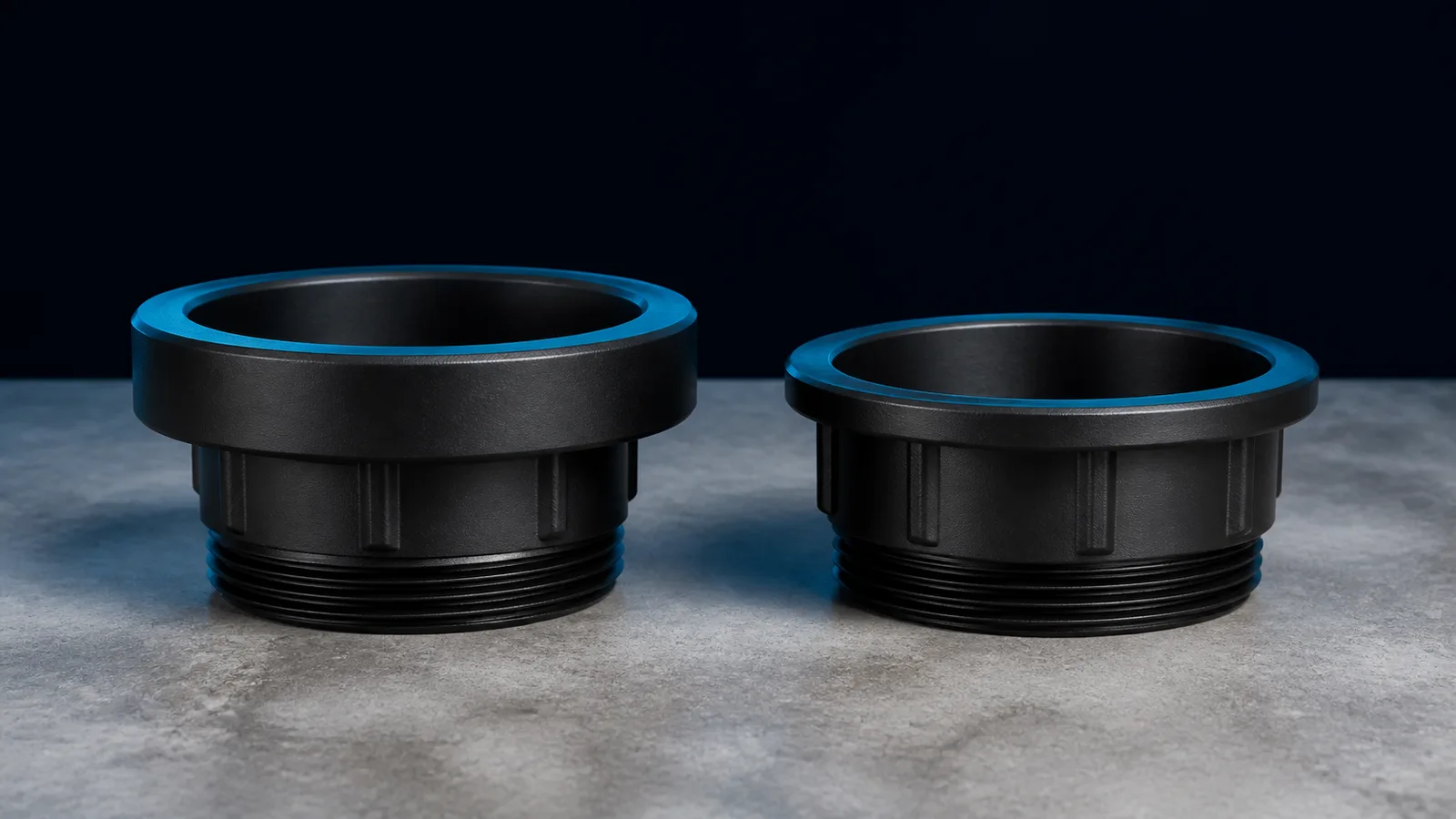
A customer calls: the part does not fit. Handled well this costs one return and improves your data. Handled badly it becomes a dispute with a supplier, a lost customer, and no change to whatever caused it — so it happens again next month.
The useful first move is not assigning blame. It is working out which of four things happened, because they have different fixes.
The four root causes
1. Wrong cross-reference. The part is well made and would work perfectly on something else. The customer ordered against a number that was mapped to the wrong item.
2. Dimensional error. The part is what it claims to be but was made outside the dimensions that matter — a groove 0.3 mm shallow, a bore slightly oversize.
3. Equipment revision mismatch. Both the part and the data are right, but the customer's machine is a revision the part does not cover. Equipment lines get revised under the same model name.
4. Installation. The part fits and was fitted wrong — a seal pinched on assembly, a lubricant that swelled the rubber, a fastener sequence that distorted a flange.
Diagnosing which one
Ask for three things before forming a view:
Photographs of the part next to the original, with a ruler in frame. Most of the time this settles it in one image.
The equipment model and, if visible, any revision or date code. This is what separates cause 3 from causes 1 and 2, and it is the question people forget to ask.
What number they ordered against. If they ordered against an OEM cross-reference rather than your own part number, cause 1 moves to the top of the list.
Then measure your own stock. If a piece from the same batch matches your recorded baseline, the problem is not dimensional and you can stop looking there. This is why the baseline from your original validation is worth the hour it took — without it you cannot distinguish cause 2 from cause 3 at all.
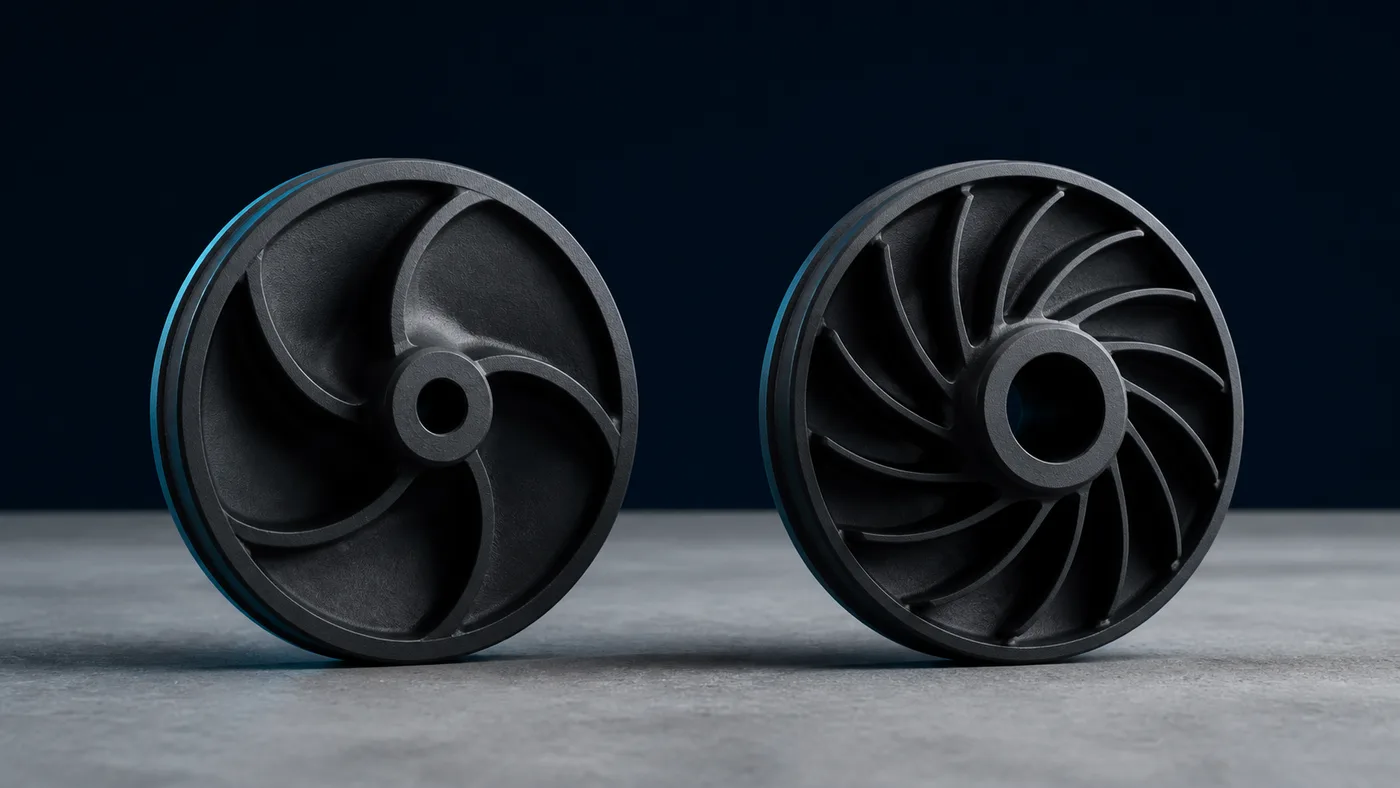
What each cause requires
| Cause | Immediate | Fix |
|---|---|---|
| Wrong cross-reference | Refund, ship the right part | Correct the entry, trace it to its source, check similar entries |
| Dimensional | Refund, quarantine the batch | Supplier root cause; check your baseline against incoming |
| Revision mismatch | Explain and offer the correct part if you have it | Add revision detail to your listing data |
| Installation | Technical support | Consider an instruction sheet if it recurs |
The one that matters most for the future is the first. A wrong cross-reference is not one bad order — it is a bad entry that will keep producing bad orders until somebody fixes the data. Fix the entry, not just the order.
And when you fix it, look at where it came from. If it came from a batch of entries built the same way, the rest of that batch deserves a look.
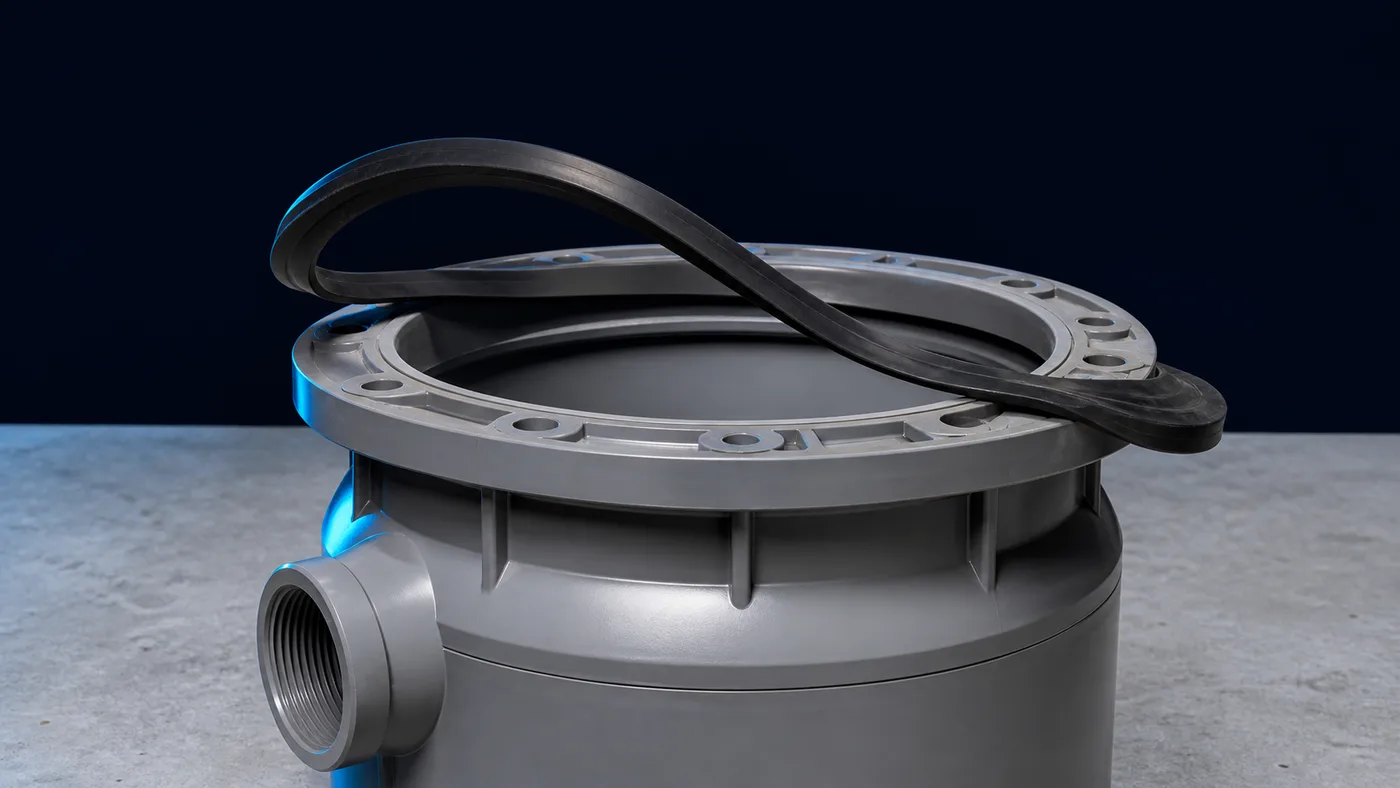
What a good supplier response looks like
You will learn more about a supplier from one fitment failure than from a year of clean orders.
Good: asks for photographs and the batch identifier; checks their own retained samples; comes back with a specific cause — a worn cavity, a material lot, a process parameter; says what they are changing; addresses the stock already in your warehouse.
Bad: offers a credit immediately without asking anything. This feels like good service and is the opposite — it means nothing will be investigated, so it will happen again.
Worst: disputes it without examining anything.
The single most useful question to ask a supplier during evaluation is what their most recent customer quality complaint was and what the root cause turned out to be. A supplier with a real process has one to describe. A supplier who says it has never happened is either very new or not looking.
Protecting yourself in advance
Record a baseline. Weight and critical dimensions per SKU on the first good batch. Without it every dispute becomes an argument about what "normal" was.
Keep retained samples. One piece per SKU per batch, labelled with the batch. This costs almost nothing and settles disputes that would otherwise take weeks.
Put material on the purchase order. A material named in the PO is a term of the contract; a material discussed in email is not.
Ask for fitment complaints to be logged against the cross-reference entry, not just the order. This is the habit that stops the same error recurring.
Talking to the customer
Two things matter more than the resolution itself.
Answer quickly, even before you know the cause. "We are looking at it, here is what I need from you" on the same day is worth more than a complete answer three days later.
Tell them what it turned out to be. A customer who is told "our cross-reference was wrong, we have corrected it" trusts the rest of your catalogue more than before the incident. A customer who gets a silent refund learns nothing about whether it will happen again — and assumes it will.
The counter-intuitive result is that a fitment failure handled transparently often strengthens the relationship. What damages it is the silence.
Sourcing
POOLPOINT investigates fitment reports rather than issuing a credit and moving on — we ask for the photographs and the batch, check retained samples, and tell you what the cause was. Where the cause is a cross-reference entry, we correct the data and look at the entries that came from the same source. That is the only way the same return stops happening twice.