

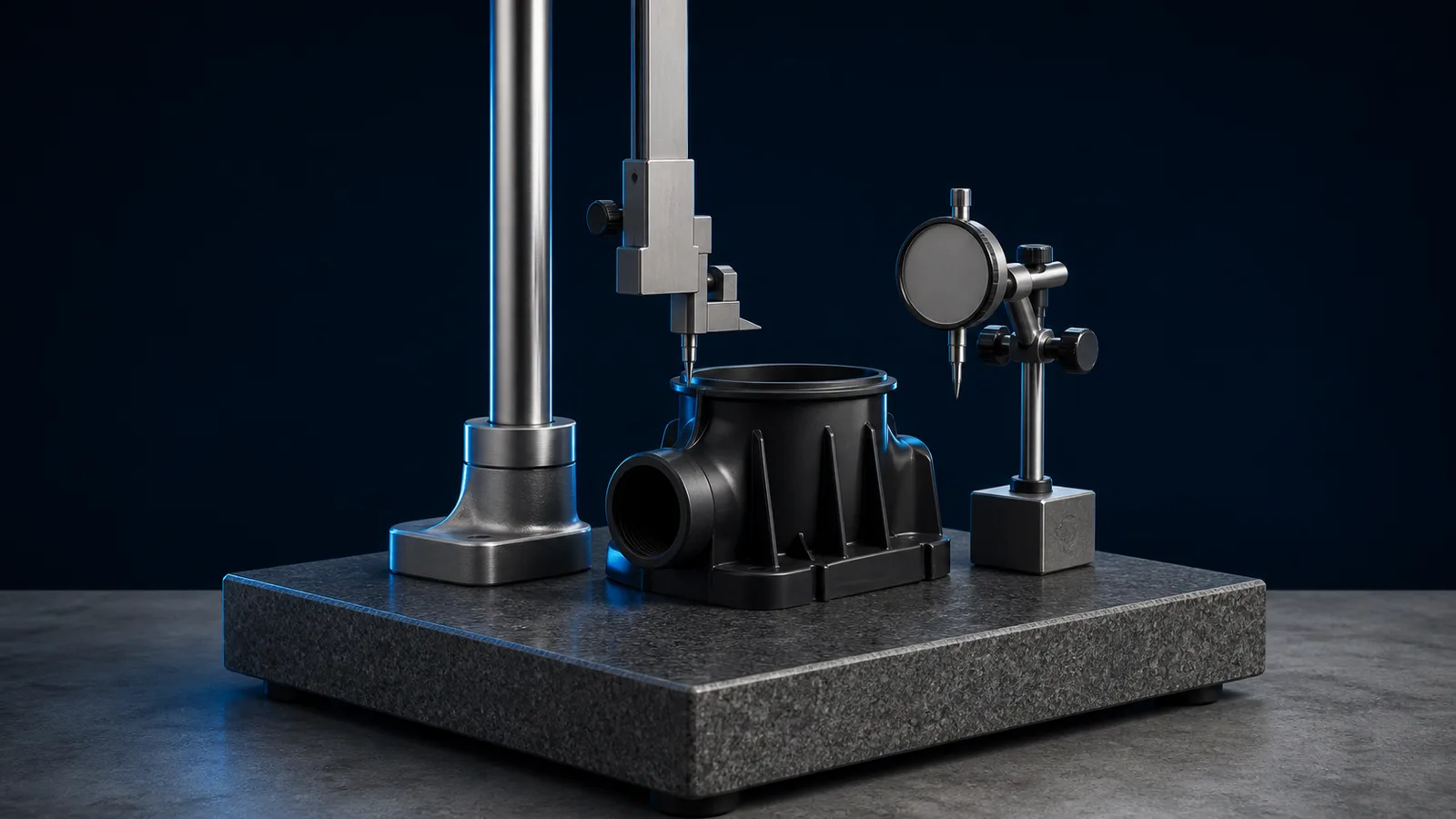
A factory visit is the gold standard and most buyers will never make one for a supplier they are still evaluating. The useful question is not how to replicate a visit remotely, but which parts of it can be replicated and which cannot — and then being honest about the gap rather than pretending a video call closed it.
The principle: ask for evidence that is inconvenient to fake
Anyone can send a photo of a clean workshop. The photos worth asking for are the ones that require the supplier to be standing in a specific place at a specific time, holding a specific thing.
Weak evidence: brochure photos, a factory video from the website, certificates as images, a workshop shot with no reference point.
Strong evidence: a photo taken today of a named machine with your part in the press; a short video panning from the machine to the parts bin without a cut; the mould for your part with its identification tag visible; a screenshot of a production schedule showing your order number.
The difference is not resolution or professionalism. It is whether the item could have existed before you asked for it.
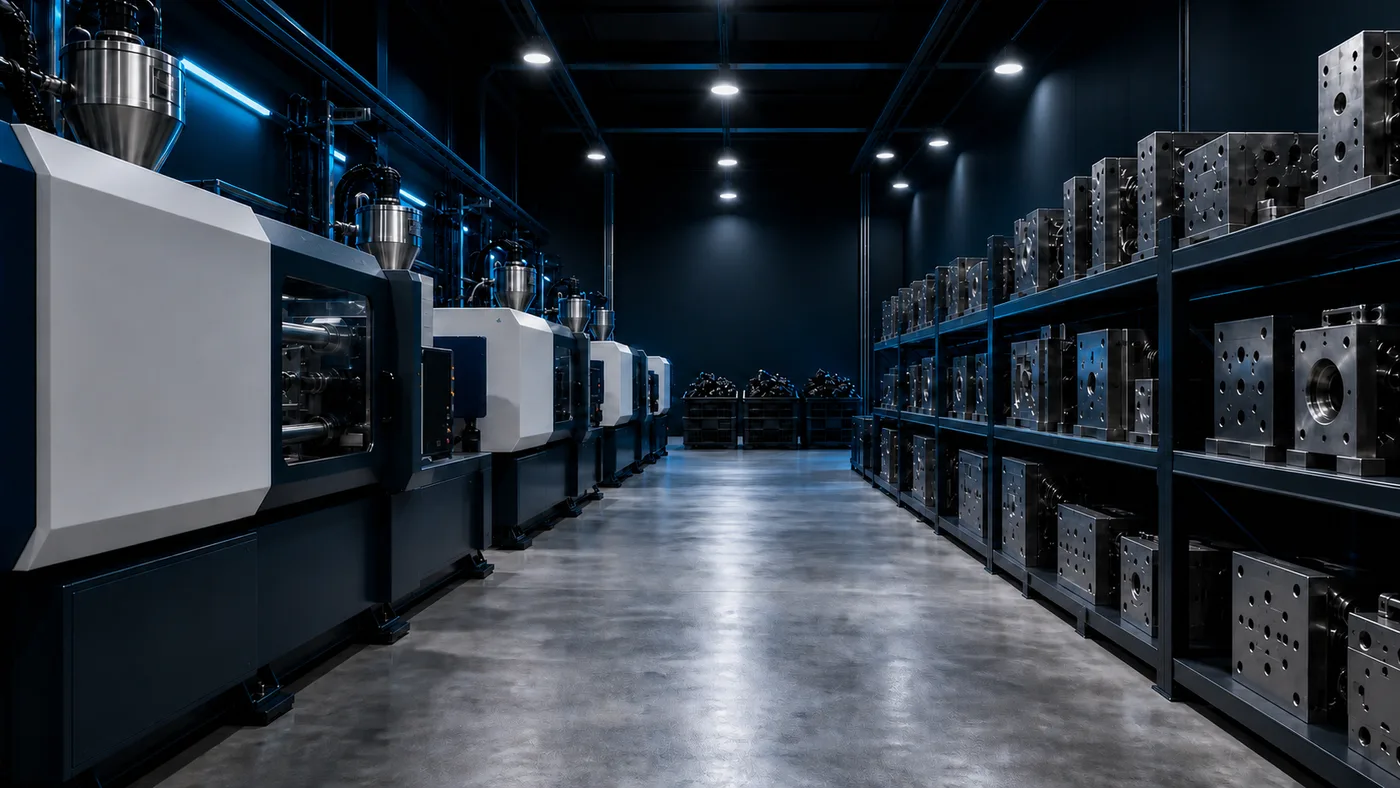
Documents, and what each one actually tells you
Business licence. Tells you the registered name, address, capital, and registered scope. Check that the scope includes manufacturing rather than only trade — this single field separates a factory from a trading company more reliably than anything on their website.
Export licence or customs registration. Tells you they can ship directly. A manufacturer without one exports through an agent, which is fine but means the invoice will come from a different entity — worth knowing before the payment conversation.
Quality certifications. Tells you a system was documented at some point. It says nothing about whether it is followed. Certificates are worth verifying against the issuing body's database, because expired and fabricated ones are common.
Test reports for a specific part. More useful than a certificate, because it is about the thing you are buying. Ask what was tested and against what standard. A report with no standard named is a piece of paper.
The honest hierarchy: a test report for your part beats a system certificate, and a photo of your part in production beats both.
The video call, and how to make it useful
A scheduled video walkthrough is nearly worthless — you will see the tour they give everyone. Two adjustments make it informative:
Ask for it live and unscripted, during a working shift. Background noise, people working, machines running. A silent factory during business hours is a question worth asking about.
Direct the camera yourself. Ask to see specific things in a specific order: the press running your part, the material storage area, where finished goods sit, the inspection station. Then ask to go back to something you already saw. A staged environment falls apart when the sequence is not the one that was rehearsed.
Things worth looking at that people forget: the material store (is resin labelled and lot-tracked, or is it unmarked sacks?), the inspection area (are there gauges and a records sheet, or a desk with a calliper?), and the reject bin (an empty one means rejects are not being separated, not that there are none).
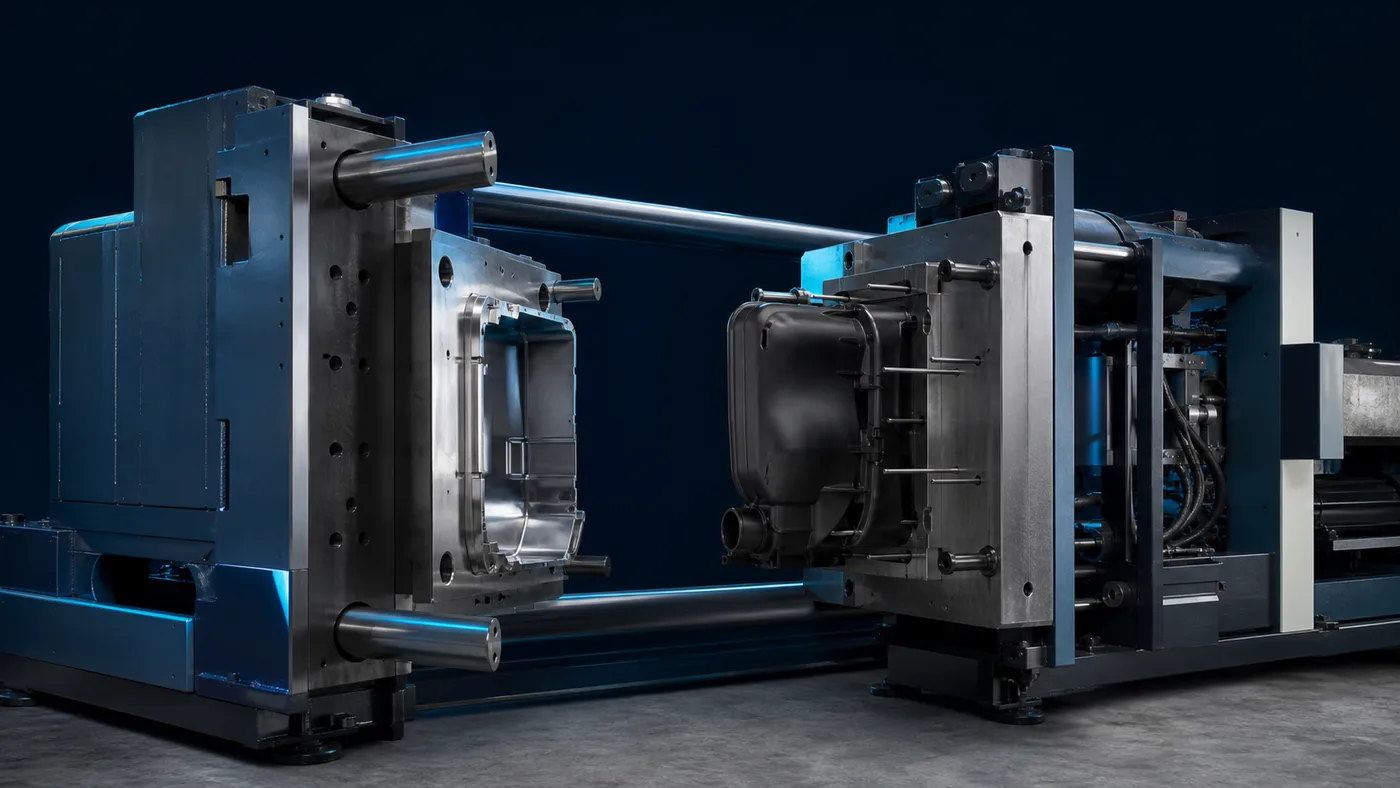
Questions that separate process from performance
A supplier can rehearse a tour. It is much harder to rehearse answers to process questions.
- What are the critical dimensions on this part, and what is the tolerance?
- Who signs off first article, and what happens if it fails?
- What is your cycle time and cavity count for this tool?
- Show me the inspection record for the last production run of this part.
- What was your most recent customer quality complaint, and what was the root cause?
The last one is the most revealing question in the list. A supplier with a real quality system has had complaints and can describe one specifically, including what they changed. A supplier who claims never to have had one is either new or not telling you the truth.
Third-party inspection, and when it is worth it
For a few hundred dollars, an inspection agency will visit at production completion and report against a checklist you supply. This is the highest-value remote verification available and it is under-used on first orders.
The checklist has to be yours and it has to be specific. "Check quality" produces a useless report. What produces a useful one: the exact dimensions to measure and on how many pieces, the carton count and labelling to verify, the packing to photograph, and the quantity to confirm.
Time it before the balance payment. An inspection report after you have paid is information; before you have paid, it is leverage.
What remote verification cannot tell you
Be clear on the limits.
It cannot tell you about consistency over time. Everything above is a snapshot. Whether the third production run matches the first is answered by receiving the third production run.
It cannot tell you about financial stability. A factory can look busy and be in trouble. Registered capital on a business licence is a weak proxy at best.
It cannot tell you how they behave under pressure. The most important supplier characteristic — what happens when something goes wrong — is unobservable until something goes wrong.
Which is why the sequence matters more than the audit: verify what you can remotely, place a small order, inspect before the balance, and let the second and third orders tell you the rest. A relationship built in that order does not need a plane ticket.
Sourcing
POOLPOINT will send a photo of your part in the press on request, along with the business licence and the inspection records for the run. We would rather answer the awkward questions before an order than after one. Factory direct from Rui'an, Wenzhou, Zhejiang — MOQ 50 pcs per part, single-piece samples available first.