
The MiniMax is the heater that will not go away. Pentair stopped building them, the dealer network moved on to the MasterTemp two generations ago, and there are still MiniMax cabinets on pads across the country doing exactly what they were installed to do. When one finally leaks, the question is never whether the parts exist — it is which MiniMax this is, because the four families share a name and not much else on the water side.
This guide sorts that out: identification first, then the headers and manifolds, then the exchanger, then the parts that are OEM-only and end the conversation. For the underlying repair-or-replace decision, see our guide on heat exchangers, headers and when the heater itself is the answer.
Which MiniMax you have
The rating plate is inside the front panel. If it has gone, the control layout and the plumbing connections tell you most of it.
| Family | Era | Ignition and controls | Plumbing | Notes |
|---|---|---|---|---|
| MiniMax (original) | 1980s to 1990s | Millivolt standing pilot, mechanical thermostat with a knob | 2-inch | Cast header assembly, simplest of the range |
| MiniMax Plus | 1990s | Millivolt or IID electronic, rotary control | 2-inch | Rubber sleeve connectors at the header |
| MiniMax CH | 1990s to 2000s | Electronic IID, sizes to CH400 | 2-inch | Exchanger quoted by CH model, not by BTU |
| MiniMax NT | Late 1990s onward | Electronic, digital panel on later units | 2 inch female by 2.5 inch male bulkhead | Bulkhead adapter is the giveaway |
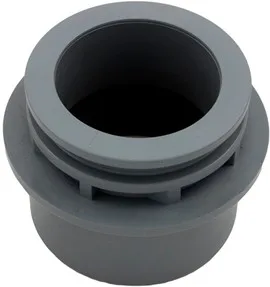
The NT is the one most often mis-identified, and the tell is plumbing rather than electronics: it takes bulkhead adapter 471441, 2-inch female by 2.5-inch male, where the earlier families do not. If the heater in front of you has that adapter, order NT parts.
Model coverage sits on the MiniMax and MiniMax Plus pages, the Mini Max CH, and the size-specific Mini Max 75, Mini Max 100 and Mini Max 100SC.
Prep
Breaker off, gas off at the manual valve upstream, isolation valves closed, and let it cool — on a heater this age the flue collar stays hot long after the burner stops. Drain at the header before pulling anything; the exchanger holds more water than the pad drain wants at once.
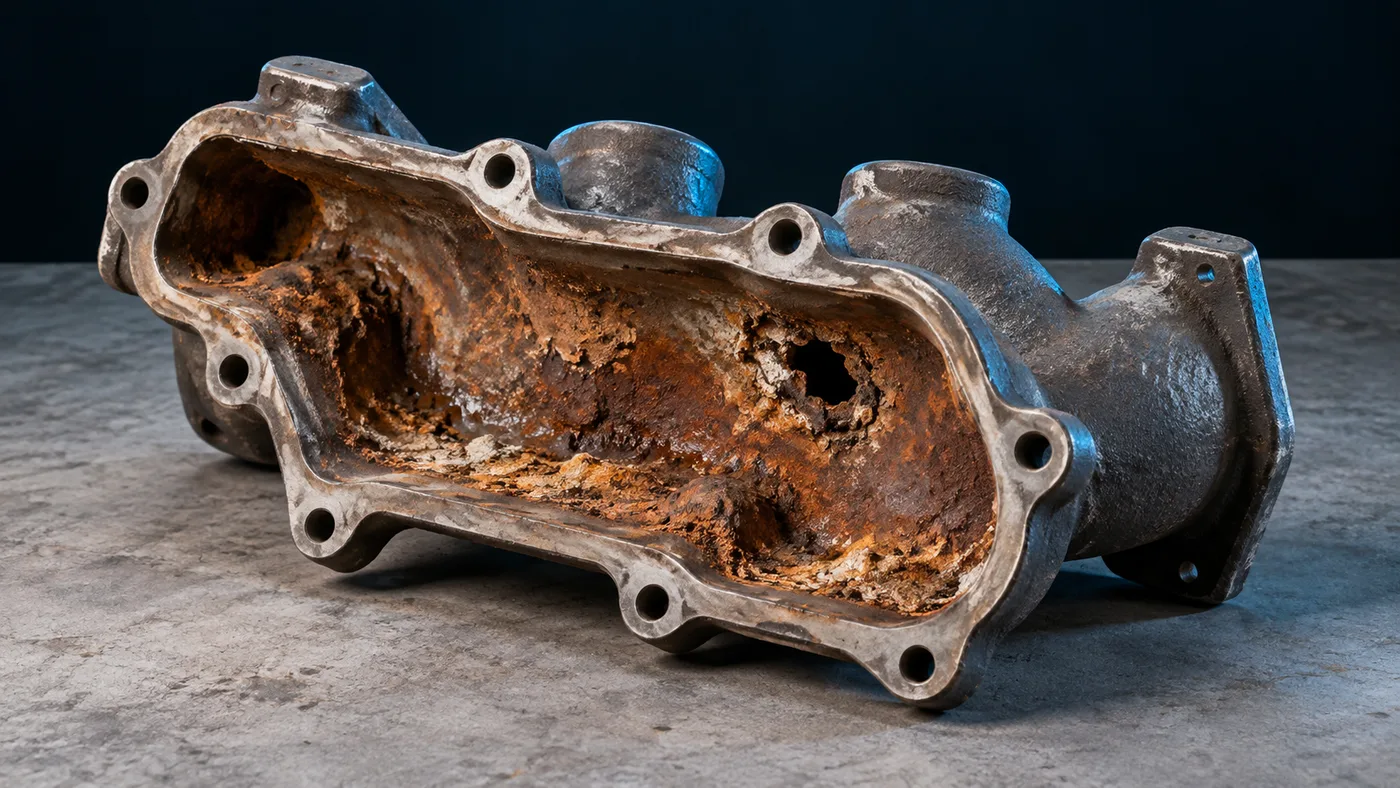
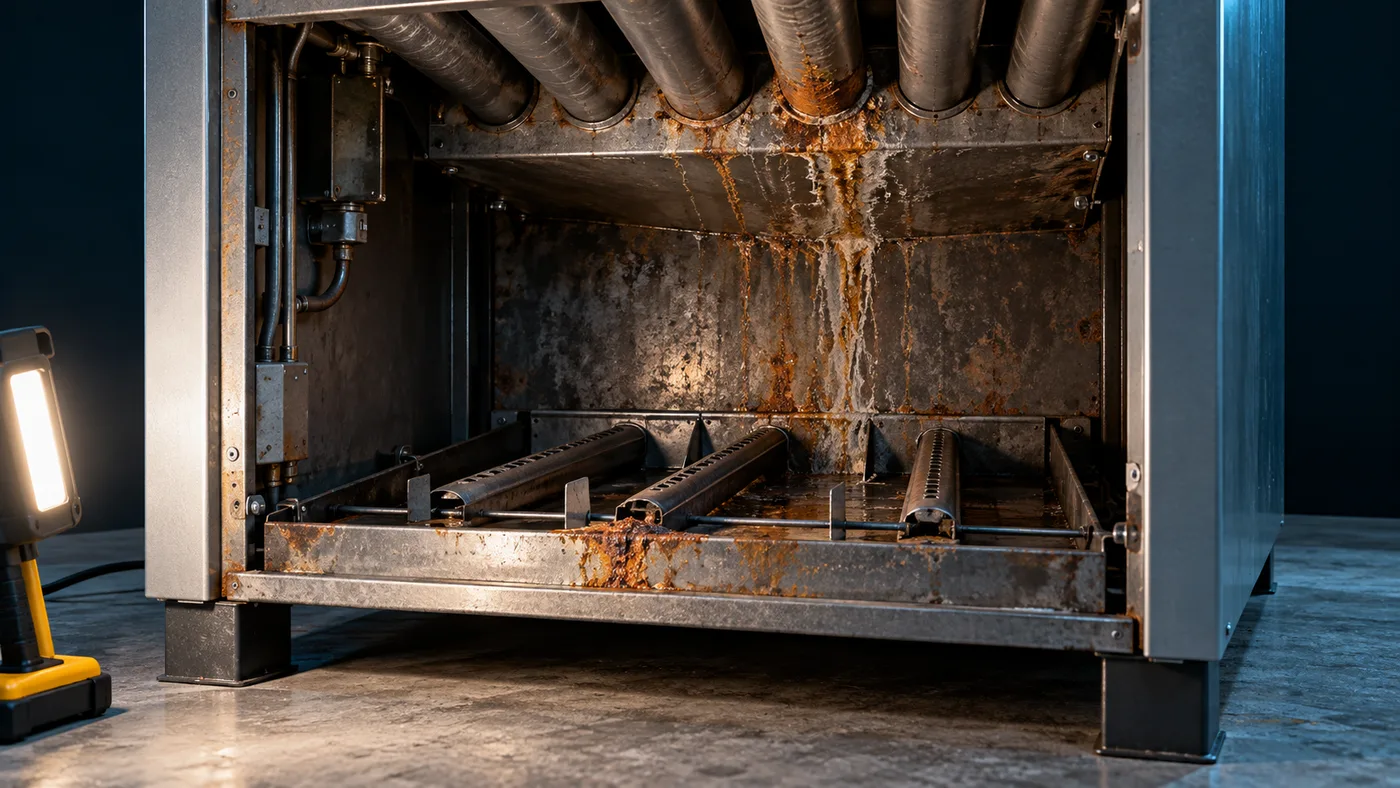
Before opening the cabinet, look for the two things that decide the call: mineral tracks or rust streaks running down from the header castings, and the condition of the burner tray under the exchanger. Rust on the tray directly below the tube sheet means the exchanger is already leaking into the fire, and that is a different conversation from a weeping gasket.
Headers and manifolds
This is where MiniMax heaters actually fail, and it is the best-supported part of the range.
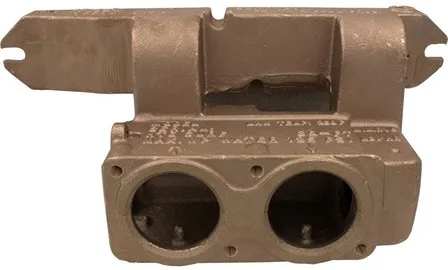
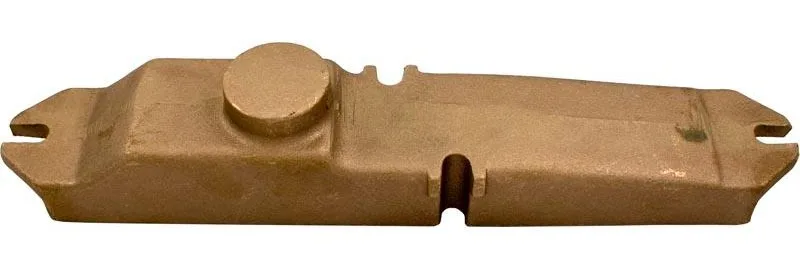
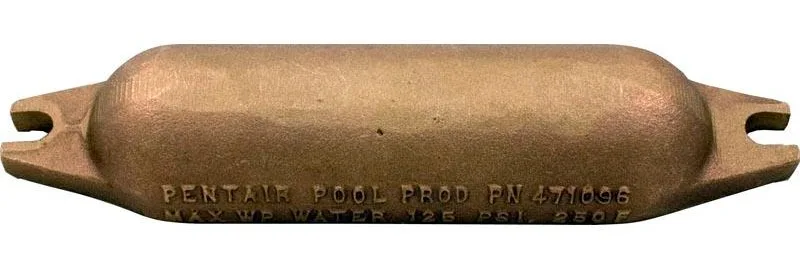
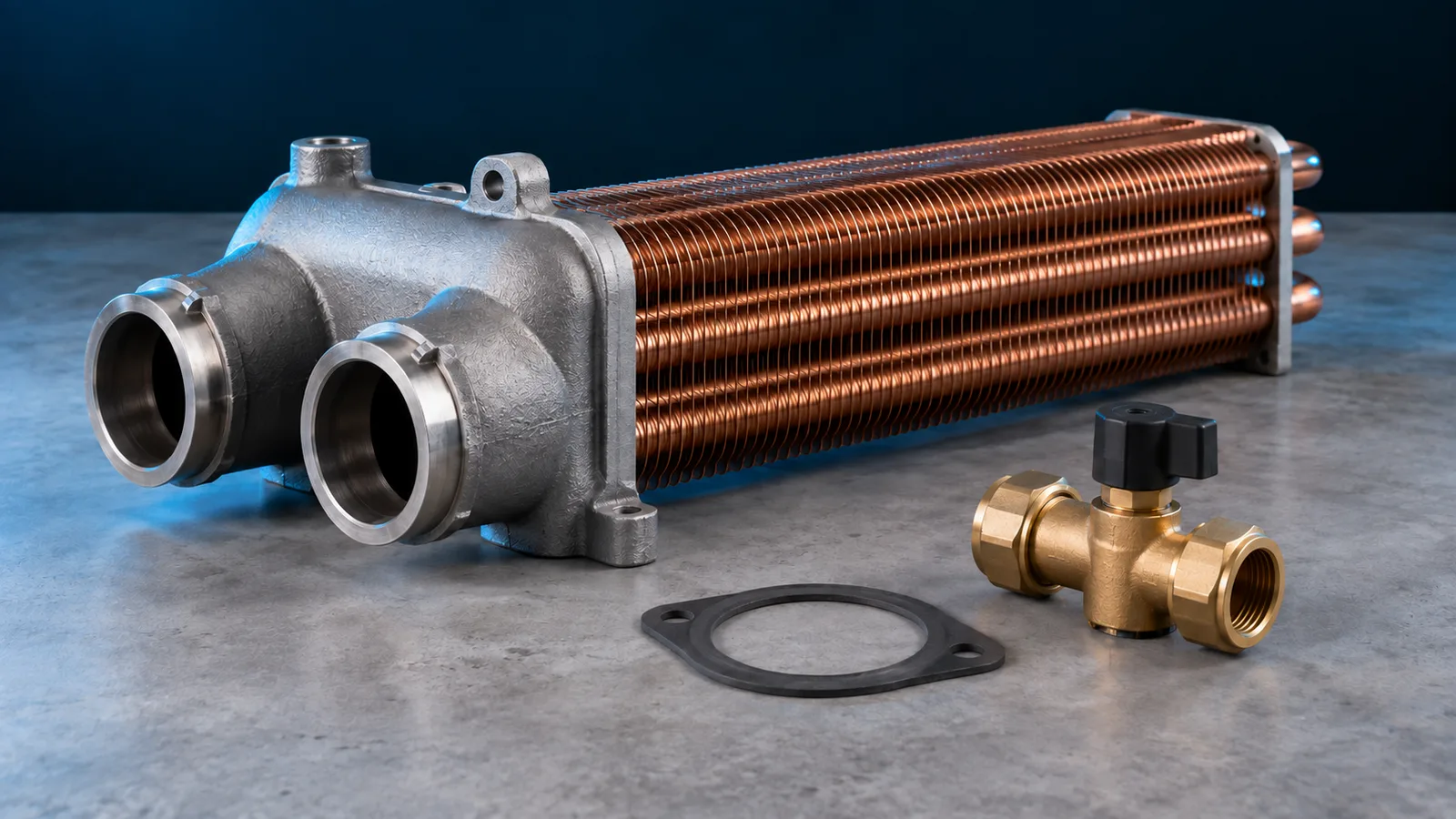
The main header manifold 070985 is the single most useful line in the family — it covers thirteen models on its own, which is unusual for a heater this old. Alongside it, 471094 is the main inlet/outlet header and 471096 the return header for the MiniMax 75, 100 and 100SC. The general return header is 70994.
Where the manifold is built up rather than cast as one piece, the parts break out: 471991 manifold return assembly, 471992 main header assembly, 471993 main manifold assembly, with 471419 the main manifold bottom and 471420 its bottom cap. On a heater where only the lower casting has corroded — which is the common pattern, because that is where the water sits — replacing the bottom and cap is a far smaller job than the whole assembly.
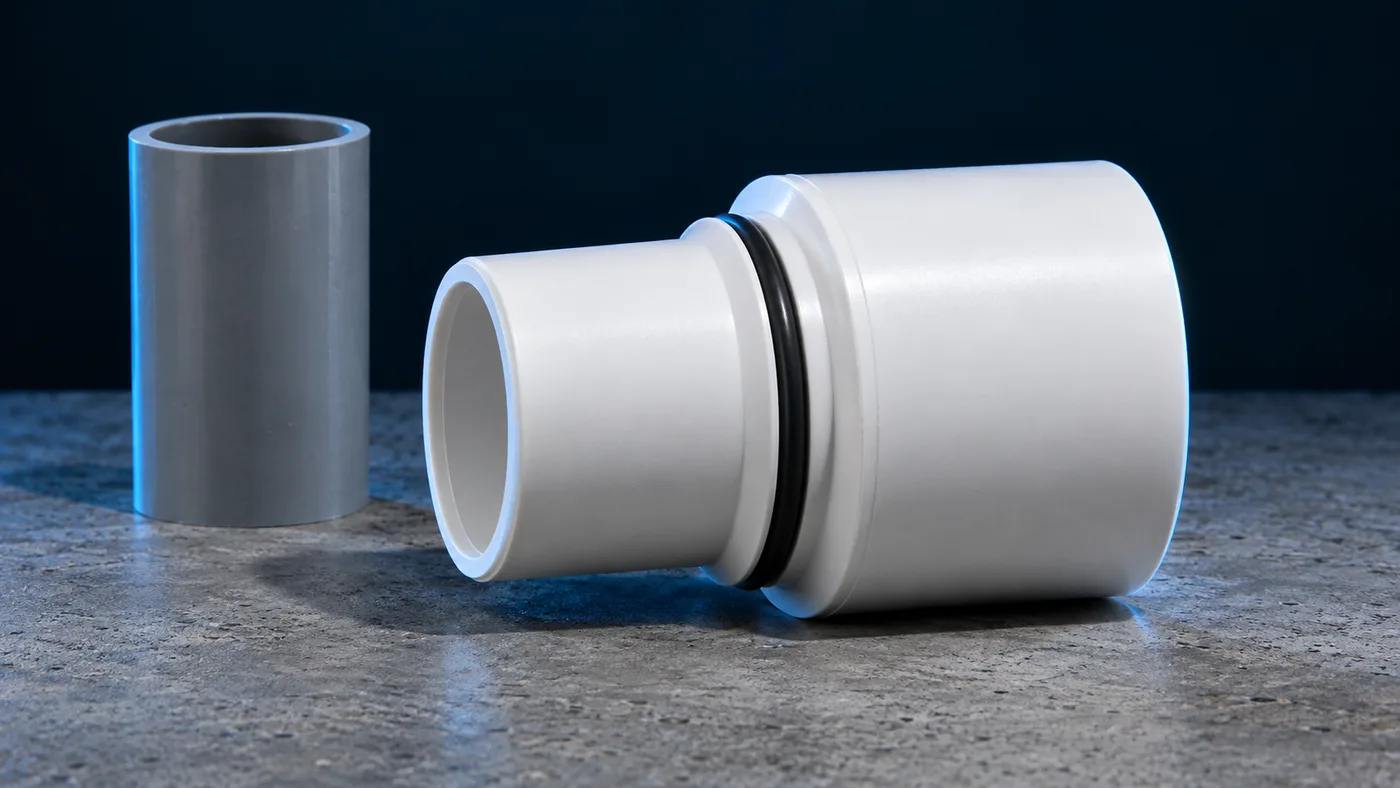
Sealing and hardware go back with every header job: tube seal gasket 70951, exchanger bolt 471622, bolt 70416 in 3/8-16 x 1½ inch, washer 72180 at 3/8-inch ID by 1-inch OD, and washer bracket 74216. On MiniMax Plus units the rubber sleeve 71895 at the 2-inch connection perishes and is often the actual source of a leak blamed on the header. The in/out modulator bushing 70544 and bulkhead adapter ring 274440 complete the plumbing side, and 072134 is the 3/4-inch boiler drain valve.
⚠️ A header that looks sound can still be finished. These castings corrode from the waterway outward, so a stain at a bolt boss with no visible crack is a header that will let go under pressure later. If it is off and the waterway is scabbed, replace it while the heater is open.
The flow valve, and why the exchanger died
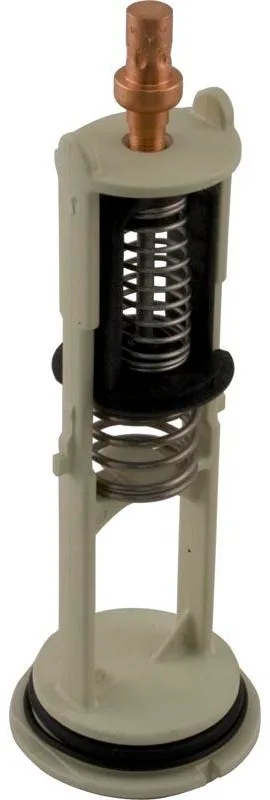
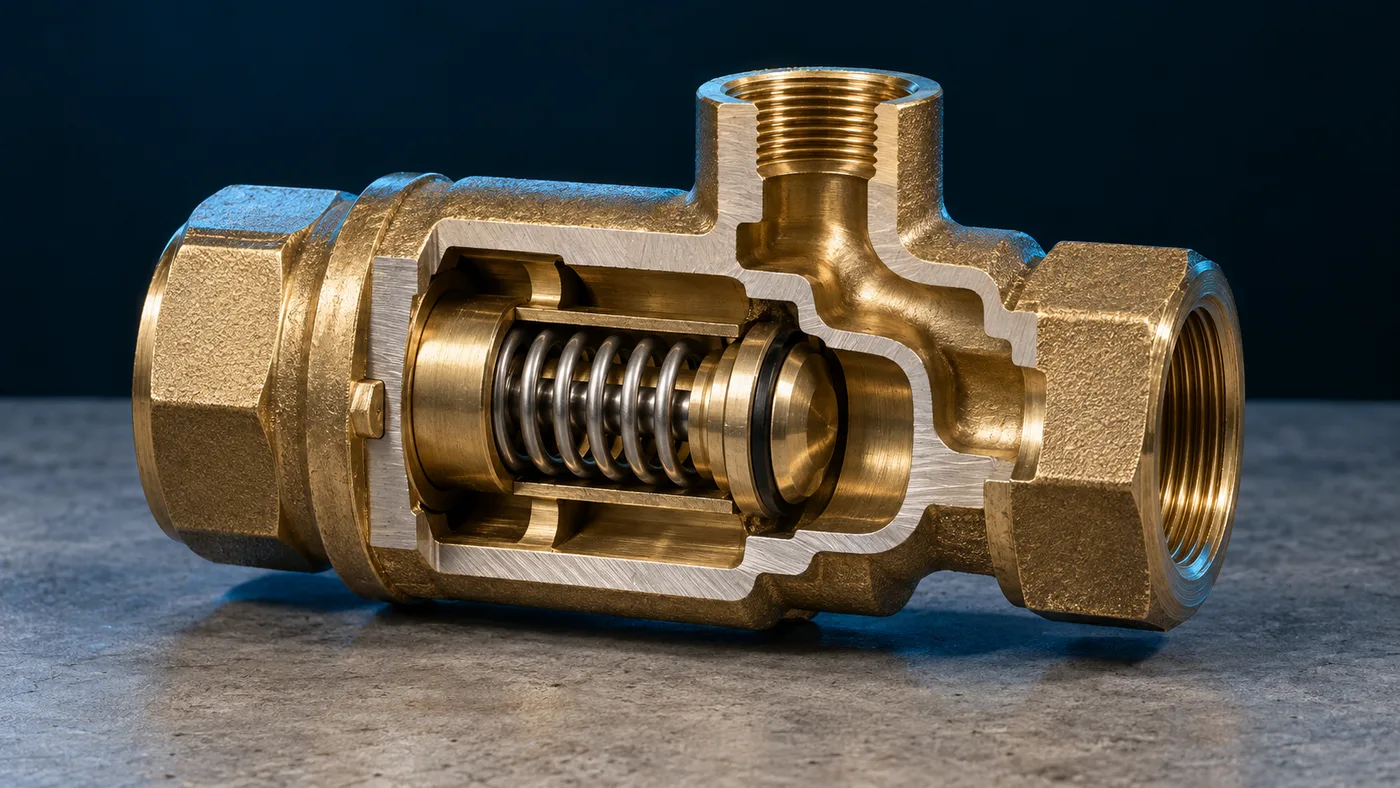
Every MiniMax has an internal bypass whose job is to keep return water hot enough that flue gas does not condense on the outside of the tubes. When it fails, acidic condensate eats the fins from the flue side while the tubes themselves still look serviceable — and a new exchanger fitted without a new flow valve has the same life as the old one.
We carry three: 471095 and 471424 flow valve assemblies for MiniMax, and 471750 covering the wider range. If you are quoting an exchanger, quote the flow valve with it. The part is a fraction of the price and it is the difference between a repair and a repeat.
The other two causes worth ruling out before ordering are low flow — undersized pump, clogged filter, closed valve — and chemistry, particularly a persistent pH below 7.2 or a salt chlorine generator on a heater built for chlorinated water. Both are cheaper to fix than the part.
Heat exchangers
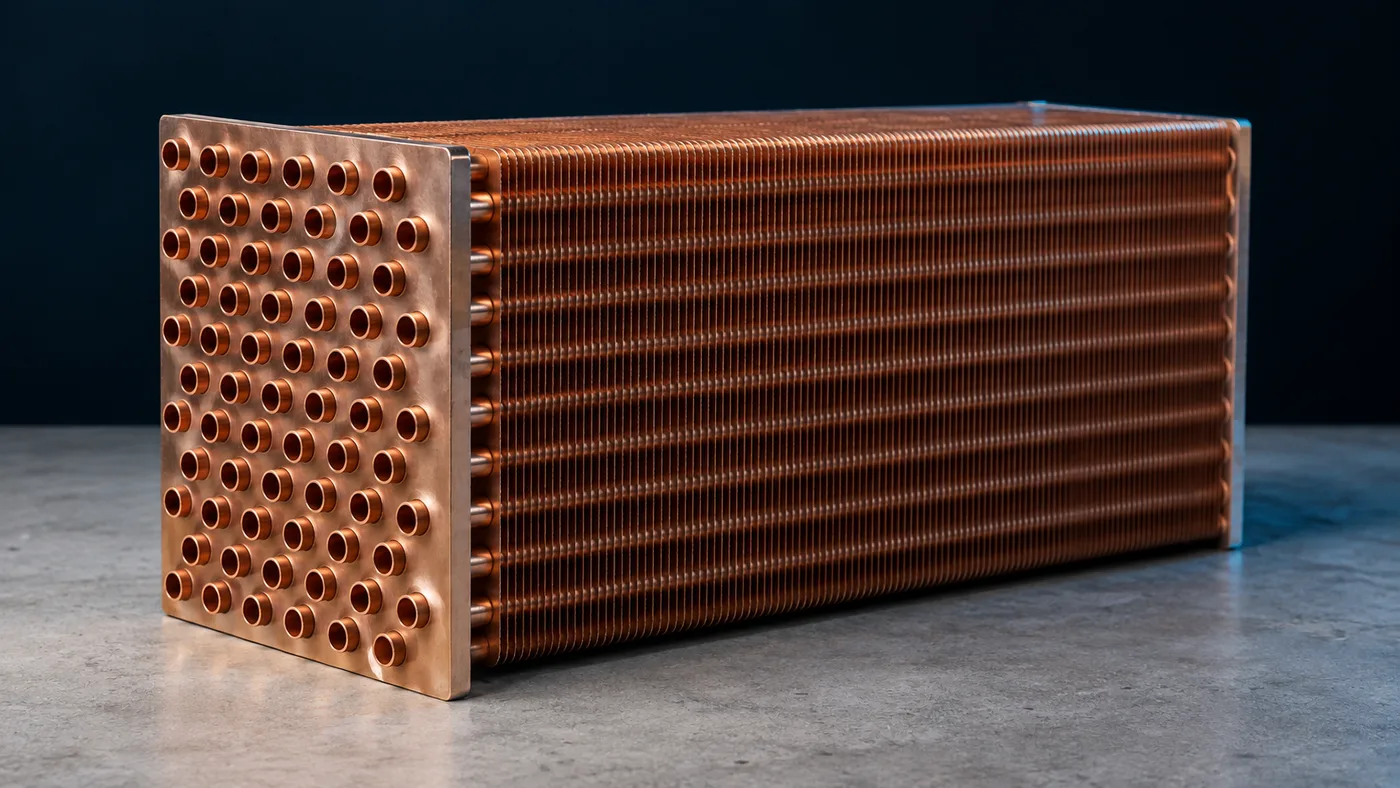
MiniMax exchangers are quoted two ways, and mixing them up is the most common ordering error in the family.
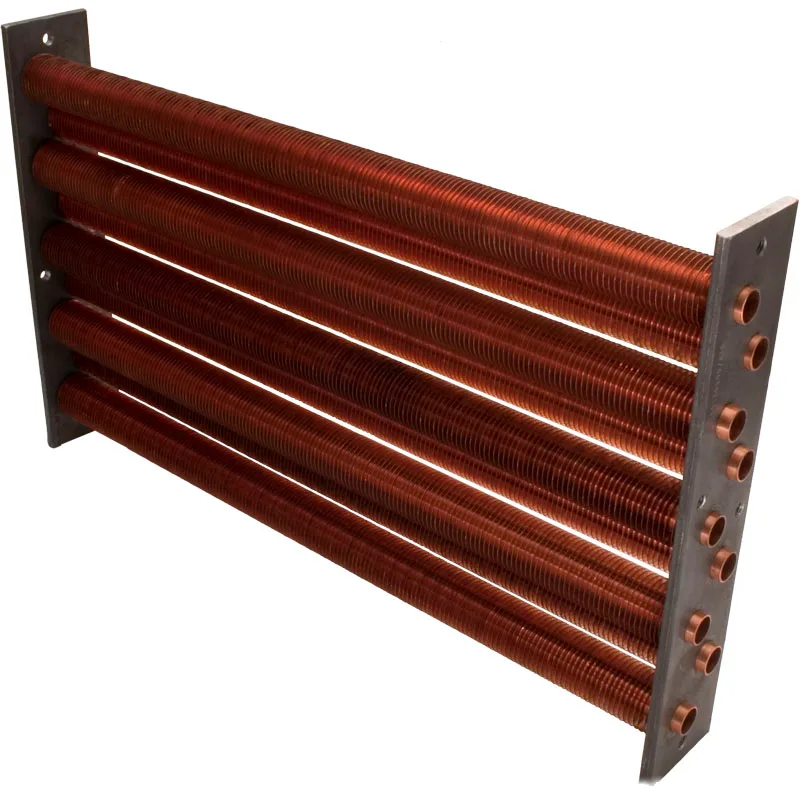
By BTU rating, without heads, for the original and Plus families: 74452 at 150,000, 75628 at 200,000, 74451 at 250,000, 075629 at 300,000, 75630 at 350,000, and 74074 at 400,000. The general listing 471093 is the exchanger without heads; 472131 is the 150,000 BTU unit and 472136 the 400,000.
By CH model number, without headers, for the CH family: 472132 for the CH200, 472133 for the CH250 and 472134 for the CH300. Where the complete assembly is wanted, 472167 is the CH250 supplied with headers already fitted.
Baffles are separate and are often what actually needs replacing: 70277 is the heat exchanger baffle for the MiniMax 350K, CH150 and CH350, and 070278 the heater baffle for 400,000 BTU units. A collapsed or missing baffle lets flue gas short-circuit past the tubes, which shows up as poor rise across the heater with no fault code and no leak.
"Without heads" and "without headers" mean the same thing here: you are buying the tube bundle and re-using or separately replacing the castings. On a heater old enough to need an exchanger, budget for the headers in the same visit — the bolts rarely come out twice.
Symptoms and where they point
| What you find | Most likely cause | Parts class |
|---|---|---|
| Bead of water along the header-to-tube-sheet flange | Tube seal gasket | 70951, bolts and washers |
| Weep at a 2-inch connection on a MiniMax Plus | Perished rubber sleeve | 71895 |
| Stain or crust at a bolt boss, no visible crack | Header corroding from the waterway | Header or manifold bottom |
| Water in the combustion chamber, rust on the burner tray | Exchanger leaking into the fire | Exchanger, and inspect the tray |
| Fins thinned or gone on the flue side, tubes still bright | Condensation — the flow valve failed | Exchanger and flow valve |
| Poor temperature rise, no fault, no leak | Collapsed or missing baffle | 70277 or 070278 |
| Rising pressure across the heater, scale in the tube ends | Low flow or high hardness | Fix the cause before the part |
| Drip from the drain boss | Drain valve or its seat | 072134 |
The fifth line is the one worth memorising. Fins eaten from the outside while the tubes look fine is not old age — it is the bypass, and the bypass is the cheap part.
Parts table by family
| MiniMax / Plus | MiniMax CH | MiniMax 75 / 100 / 100SC | NT | |
|---|---|---|---|---|
| Main header / manifold | 070985, 471094 |
070985 |
471096 return |
070985 |
| Manifold sub-assemblies | 471991, 471992, 471993, 471419, 471420 |
as left | — | as left |
| Return header | 70994 |
70994 |
471096 |
70994 |
| Exchanger | 74452 150K, 75628 200K, 74451 250K, 075629 300K, 75630 350K, 74074 / 472136 400K |
472132 CH200, 472133 CH250, 472134 CH300, 472167 CH250 with headers |
by BTU, as left | by BTU, as left |
| Baffle | 070278 (400K) |
70277 (CH150 / CH350) |
— | — |
| Flow valve | 471095, 471424, 471750 |
471750 |
471750 |
471750 |
| Gasket and hardware | 70951, 471622, 70416, 72180, 74216 |
as left | as left | as left |
| Plumbing | 71895 sleeve, 70544 bushing, 274440 ring |
70544, 274440 |
70544 |
471441 bulkhead adapter |
| Wiring | 075511 millivolt, 470965 harness |
470965 |
470965 |
470965 |
⚠️ Where a cell says "as left", confirm against the serial plate rather than assuming — Pentair carried changes mid-series more than once, and the manifold sub-assemblies in particular changed casting between early and late production.
What is OEM-only
We supply the water side and the structure of these heaters: headers, manifolds, exchangers, baffles, flow valves, gaskets, plumbing adapters, brackets and hardware.
Gas valves, gas modules and conversion assemblies, burners and orifices, igniters and pilot assemblies, high-limit and pressure switches, flame sensors and control boards are OEM-only. We do not stock them and will not source them — anything whose job is to act when something goes wrong belongs to the equipment brand and its certification. On a MiniMax specifically, check availability of the gas module and the ignition control before ordering water-side parts, because a heater that cannot be returned to a certified condition is not a repair candidate no matter how good the exchanger is.
Wiring is the grey area and we do carry it: the millivolt wire kit 075511 for MiniMax and MiniMax Plus, and the wire harness kit 470965. Those are conductors, not controls.
When to stop
Three conditions point at replacement, and any two together settle it.
The exchanger and a header have both failed. You are rebuilding the entire water side of a heater whose combustion side is the same age, and the parts total approaches a new unit before labour.
The gas module or the ignition control is unavailable. This ends it regardless of the water side.
The customer is paying to run it. A MiniMax at its original efficiency against a current low-NOx unit is a running-cost argument that gets stronger every season. On a pool heated four hours a day the difference pays for much of the replacement over its life; on a spa used ten times a winter it does not, and the repair is right.
Age alone settles nothing. A MiniMax with a sound manifold and bright copper in the bundle is worth servicing, and the parts are there to do it.
Sourcing
MiniMax parts are the definition of a line that general distributors drop: the heater is discontinued, the castings are heavy, and the demand is steady but unspectacular. That combination is exactly why a service company ends up waiting three weeks in July.
We hold the MiniMax water side — headers and manifold sub-assemblies, exchangers across both the BTU and CH numbering, baffles, flow valves, gaskets, adapters and hardware — alongside the rest of the Pentair range. Send the model and serial plate with what you found at the flange line, and we will come back with the exchanger, the matching headers, the gasket set and the flow valve as one list.