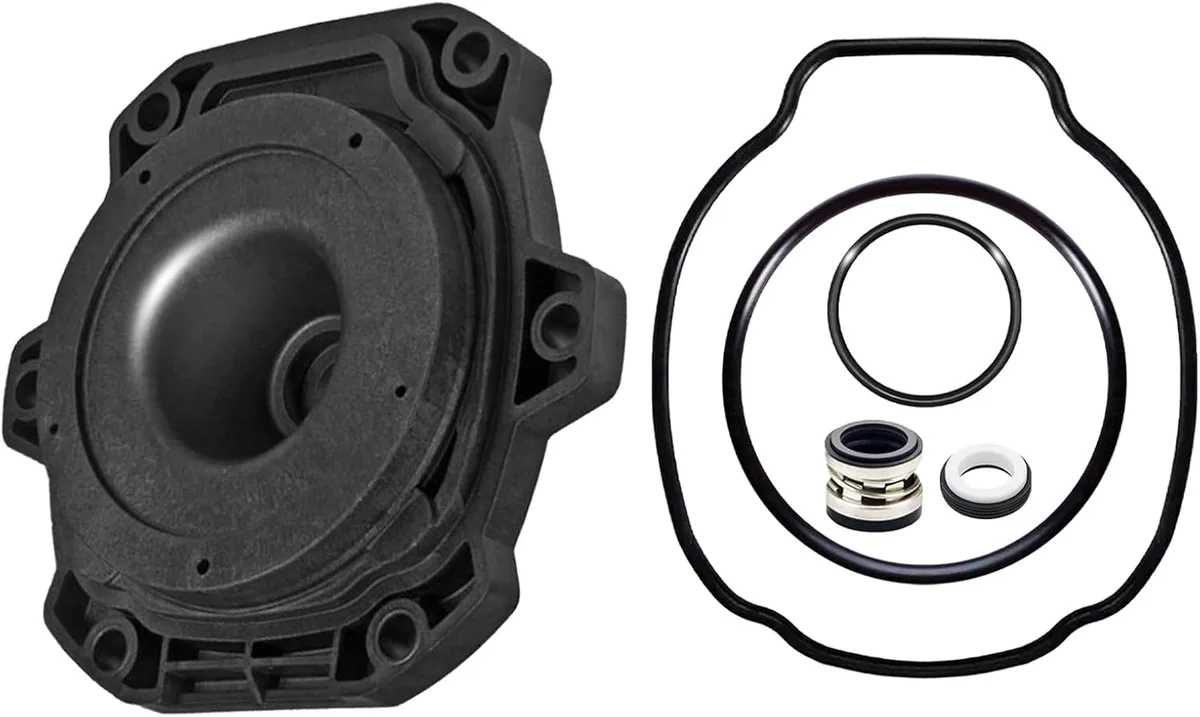

Hayward's TriStar pumps tend to sit on larger residential and light commercial pads, which means that when one goes down, the flow loss is obvious and the pressure to fix it fast is real. The efficient repair path is usually a wet-end rebuild bundle rather than chasing individual castings one part number at a time. This article breaks down what the bundles contain, what to inspect before ordering, and the assembly habits that keep a rebuilt TriStar sealed.
What a wet-end rebuild bundle contains
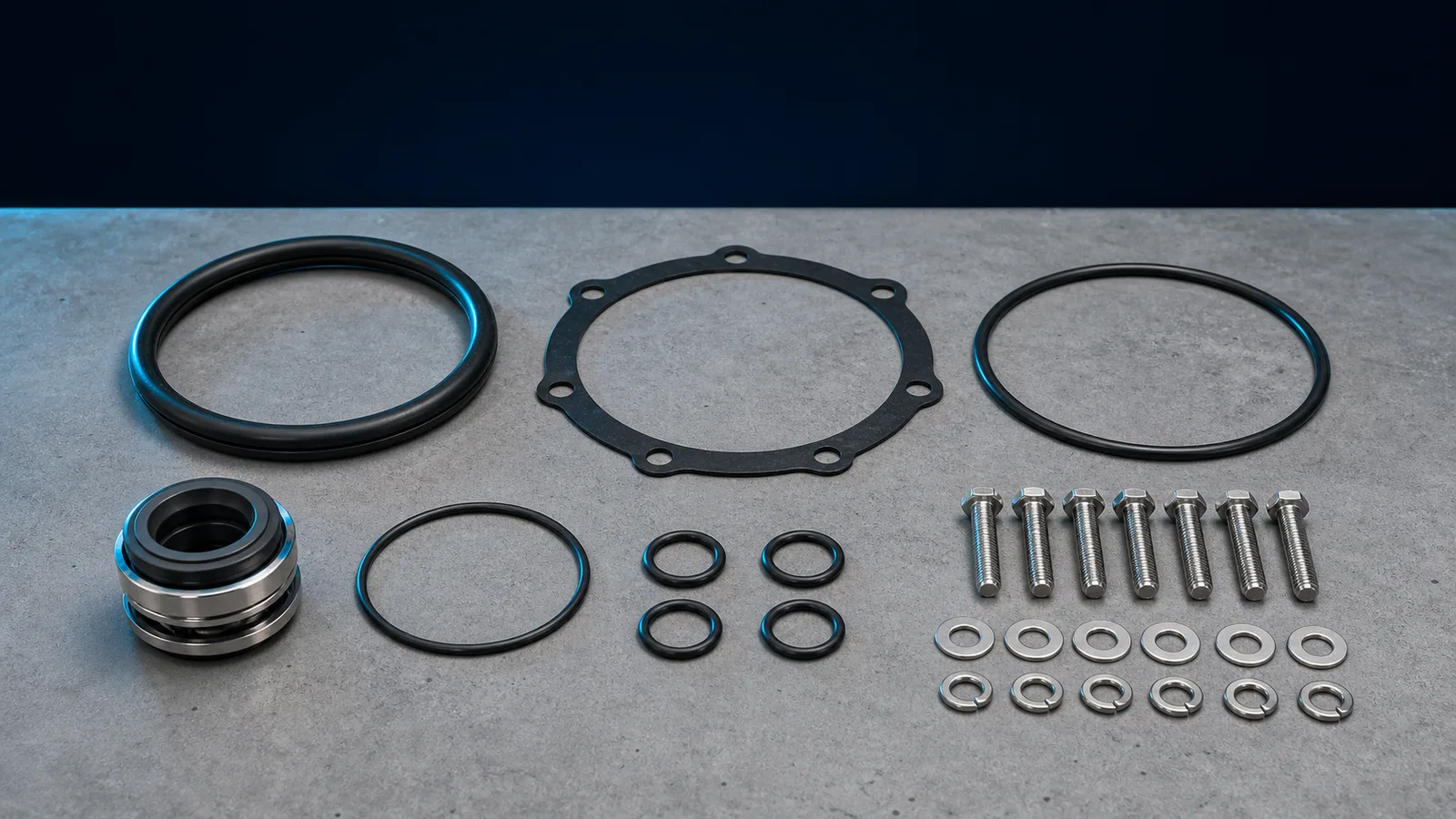
A rebuild bundle is a matched set of the components that wear together along the water path. POOLPOINT offers two TriStar bundles with different coverage:
SPX3200A— housing, cover, basket, seal plate and impeller. This is the deeper kit, reaching from the strainer side all the way through the hydraulic core.SPX3200E— seal plate, impeller, diffuser and housing. This is the hydraulic-path kit for pumps whose strainer cover and basket are still serviceable.
Choosing between them is straightforward. If the complaint includes strainer-side damage — a crazed or cracked cover, a collapsed basket, lid threads that no longer seal — go with SPX3200A. If the strainer end looks healthy and the problem is flow loss, priming trouble or a leak at the seal plate, SPX3200E covers the parts that matter. Either way, the logic of a bundle is that plastic and elastomer components on the same pump have been aging in the same water and sunlight, so replacing one twelve-year-old part while reusing its twelve-year-old neighbors usually buys you a second service call.
Inspection checklist before you order
Run through this list with the pump open and in good light. It decides which bundle you need and whether the motor is worth rebuilding onto.
- Housing: cracks radiating from threaded ports and drain plugs, whitening or chalking from UV, warped mating surfaces.
- Strainer cover: crazing, cloudiness, stripped locking threads. A cover you cannot see through is a cover nobody is checking the basket through.
- Basket: cracks, sagging, broken handle. Any breach sends debris straight to the impeller.
- Diffuser: wear where the impeller eye rides, missing or flattened gasket, warping from a past dry run.
- Impeller: eroded or thinned vane tips, debris packed in the vanes, damaged hub threads, wobble when spun by hand.
- Seal plate: scoring or scale buildup around the seal bore, cracks near fastener bosses, any sign the stationary seat was cocked.
- O-rings and gaskets: flat spots, cracking, permanent compression set. These are automatic replacements, never judgment calls.
- Motor: with power locked out, spin the shaft by hand. Grinding or roughness means bearing work or a motor decision before any new wet-end parts go on.
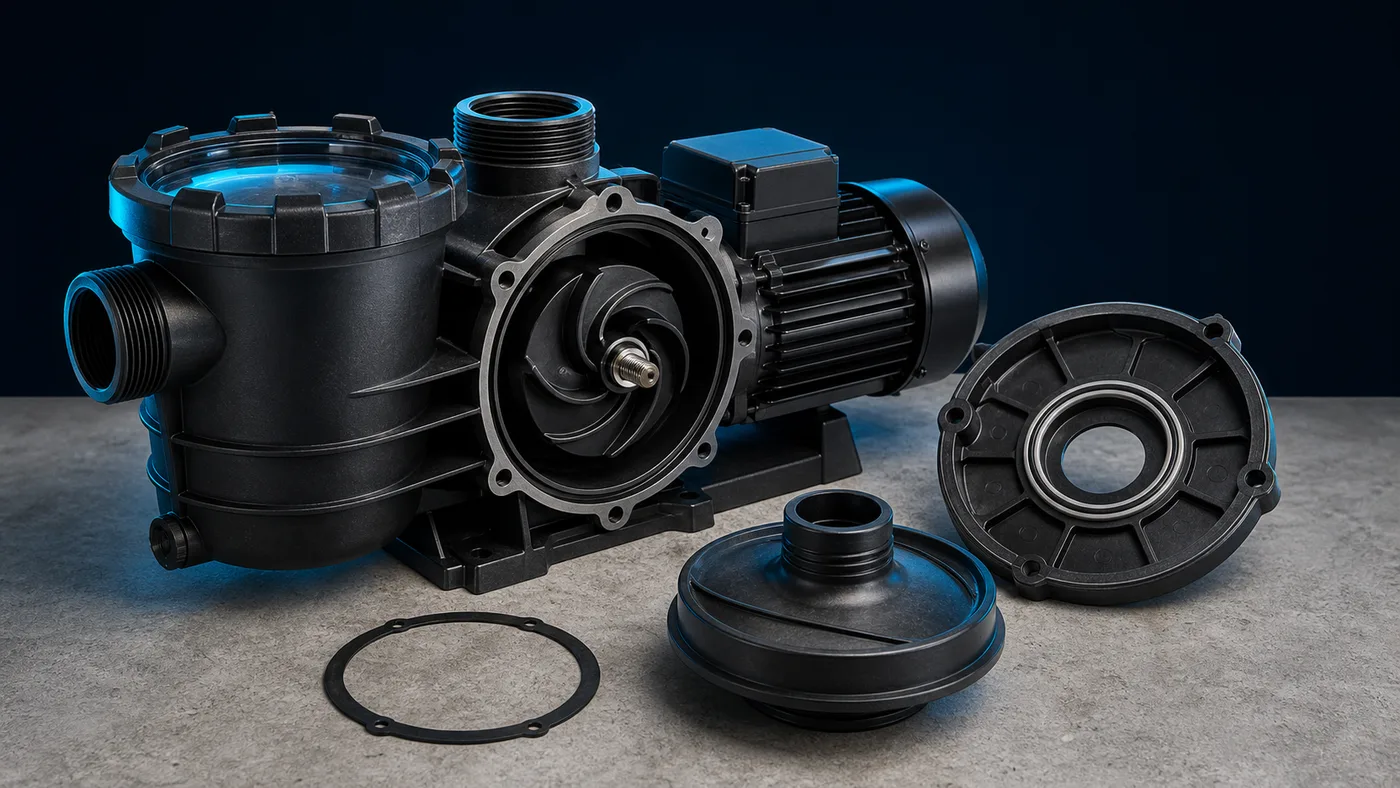
Teardown notes
Before opening anything, shut off power at the breaker and verify the pump cannot start, then relieve pressure at the filter's air relief valve. If the pad sits below water level, close the isolation valves, and pull the pump drain plugs to empty the wet end.
Split the motor and seal plate assembly from the housing and keep fasteners organized by location, since corrosion-frozen hardware is common on older TriStars and replacements should go back where they came from. Hold the motor shaft at the rear per the motor's design to unthread the impeller, and note the orientation of the diffuser and its gasket before removing them. Photographs during teardown cost nothing and settle every reassembly question.
While the pump is apart, read its history. Melted or distorted plastic around the diffuser tells you the pump ran dry at some point; debris packed in the impeller says a basket failed upstream; scale on the seal faces points at water chemistry. Fixing the root cause alongside the parts is what keeps the rebuild from repeating itself next season.
Assembly discipline
Plastic pump components reward patience and punish torque. The working rules:
- Draw housing and seal plate fasteners down in an alternating cross pattern, in stages, until the gasket seats and the joint is snug. Overtightening cracks bosses and distorts sealing surfaces, and it causes more leaks on plastic pumps than undertightening does.
- Lubricate every o-ring with a pool-grade silicone lubricant. Never use petroleum products on pump rubber.
- Seat the diffuser and its gasket fully before closing the housing; a pinched diffuser gasket is the classic cause of a rebuilt pump that will not prime.
- Always install a new shaft seal during a rebuild, keeping bare fingers off the polished faces.
- Rotate the shaft by hand after assembly. It should turn freely with no scraping. Only then restore power, fill the strainer pot, and watch the pump prime with the filter air relief open.
Why bundles beat piecemeal for service work
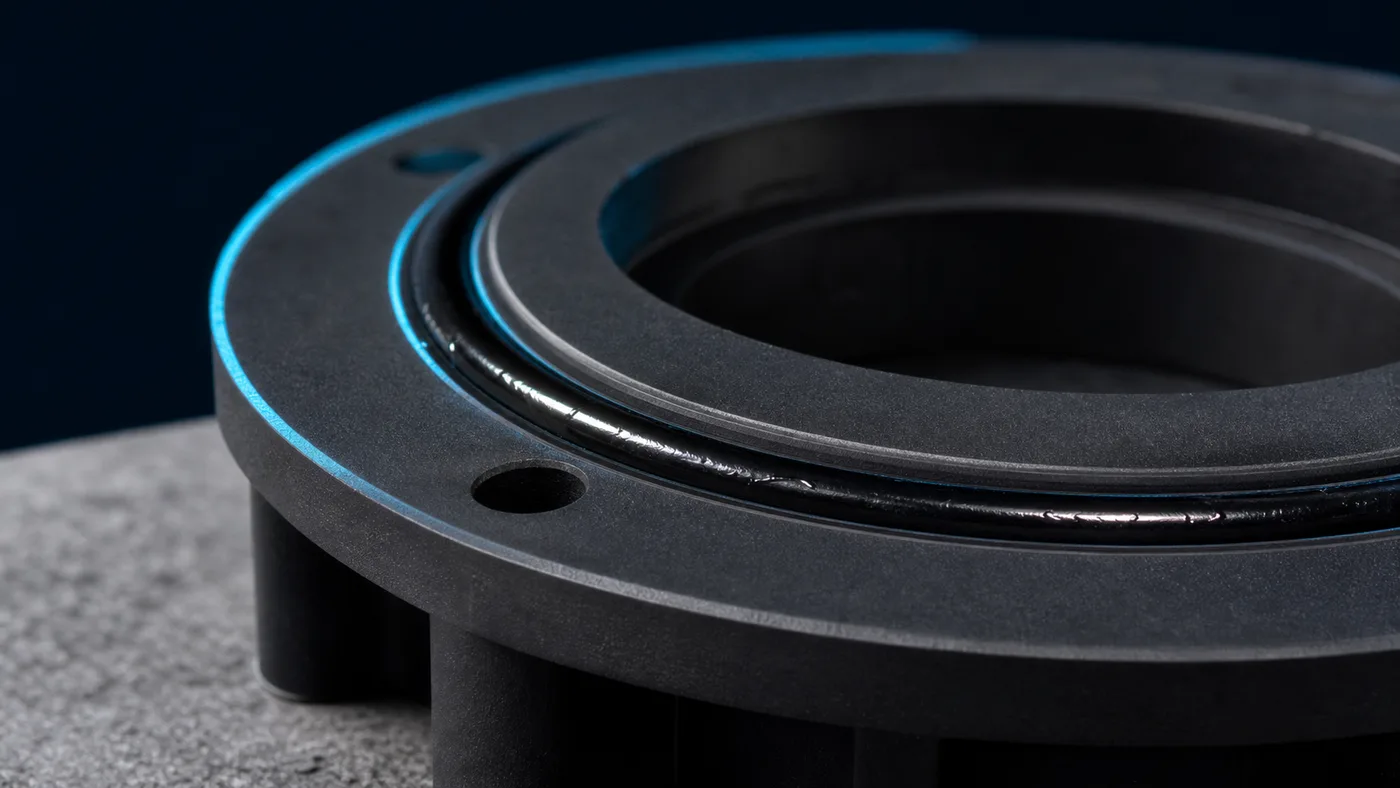
For a service company, a rebuild bundle turns a parts list into a single SKU: one line item to order, one box on the truck, one warranty conversation. It also eliminates fit surprises, because the bundle components are produced as a matched set rather than assembled from parts sourced at different times. Distributors see the same benefit from the stocking side — the two bundles above cover the TriStar OEM references in the table below without carrying a bin for every individual number.
TriStar cross-reference table
| OEM number | POOLPOINT part | Notes |
|---|---|---|
Hayward SPX3021R |
SPX3200A / SPX3200E |
Listed under both rebuild bundles |
Hayward SPX3200A |
SPX3200A |
Direct aftermarket equivalent; housing, cover, basket, seal plate, impeller |
Hayward SPX3200DLS |
SPX3200A |
Covered by the full parts bundle |
Hayward SPX3200E |
SPX3200A / SPX3200E |
Direct equivalent of SPX3200E; also listed under the full bundle |
Hayward SPX3200M |
SPX3200A |
Covered by the full parts bundle |
Hayward SPX3200S |
SPX3200A / SPX3200E |
Listed under both rebuild bundles |
Hayward SPX3200T |
SPX3200A / SPX3200E |
Listed under both rebuild bundles |
Hayward SPX3220C |
SPX3200A / SPX3200E |
Listed under both rebuild bundles |
Hayward SPX4000Z1 |
SPX3200A / SPX3200E |
Listed under both rebuild bundles |
Sourcing
POOLPOINT manufactures both TriStar bundles factory direct for US distributors, service companies and online sellers, with MOQ from 50 pieces per SKU and private label programs available. Request a quote for wholesale pricing and lead times.