

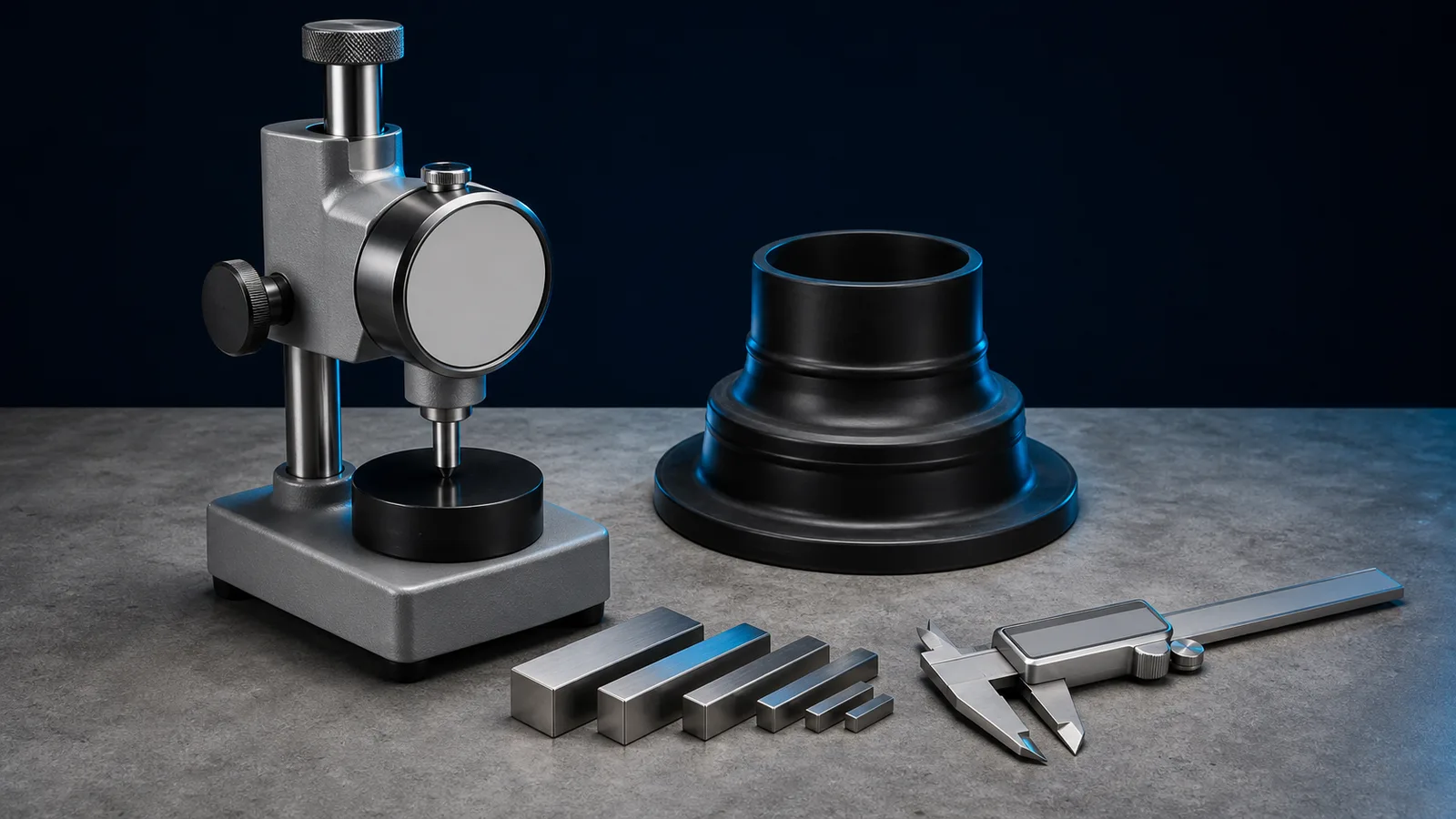
Certification questions in aftermarket parts sourcing tend to go badly in both directions. Buyers ask for certificates that do not apply to the item, and suppliers send certificates that do not cover what was asked. The result is a PDF exchanged, both parties satisfied, and nothing verified.
This is a general orientation, not compliance advice. Requirements vary by market and by application — confirm yours with a qualified party.
The distinction that resolves most confusion
System certifications describe how a company is organised. Product certifications and test reports describe a specific item.
A system certificate tells you a documented process existed at audit time. It says nothing about whether the part you are buying meets any particular specification. Both have uses; they are not substitutes, and asking for one when you need the other is the root of most of these conversations.
What each common document actually means
ISO 9001. A quality management system standard. It means procedures are documented and audited. It does not mean parts are good — a well-documented process can consistently produce a part that does not seal. Useful as a signal that the company is organised. Verify it against the certification body's register; expired and fabricated certificates are common.
ISO 14001. Environmental management. Same category, different subject.
NSF certification. Product certification against a specific standard for a specific product. In pool and spa equipment, NSF/ANSI standards apply to certain equipment categories, and where they apply the certification is meaningful because it is about the product.
⚠️ The trap: NSF certification applies to a specific product, from a specific manufacturer, on a specific list. A supplier saying "our factory is NSF certified" is describing something that does not exist in that form. The correct question is whether this part is listed, and the listing is publicly checkable.
CE marking. A declaration for the European market, largely self-declared for many product categories. Relevant if you sell into the EU. It is a declaration of conformity, not a third-party approval, for most of what applies here.
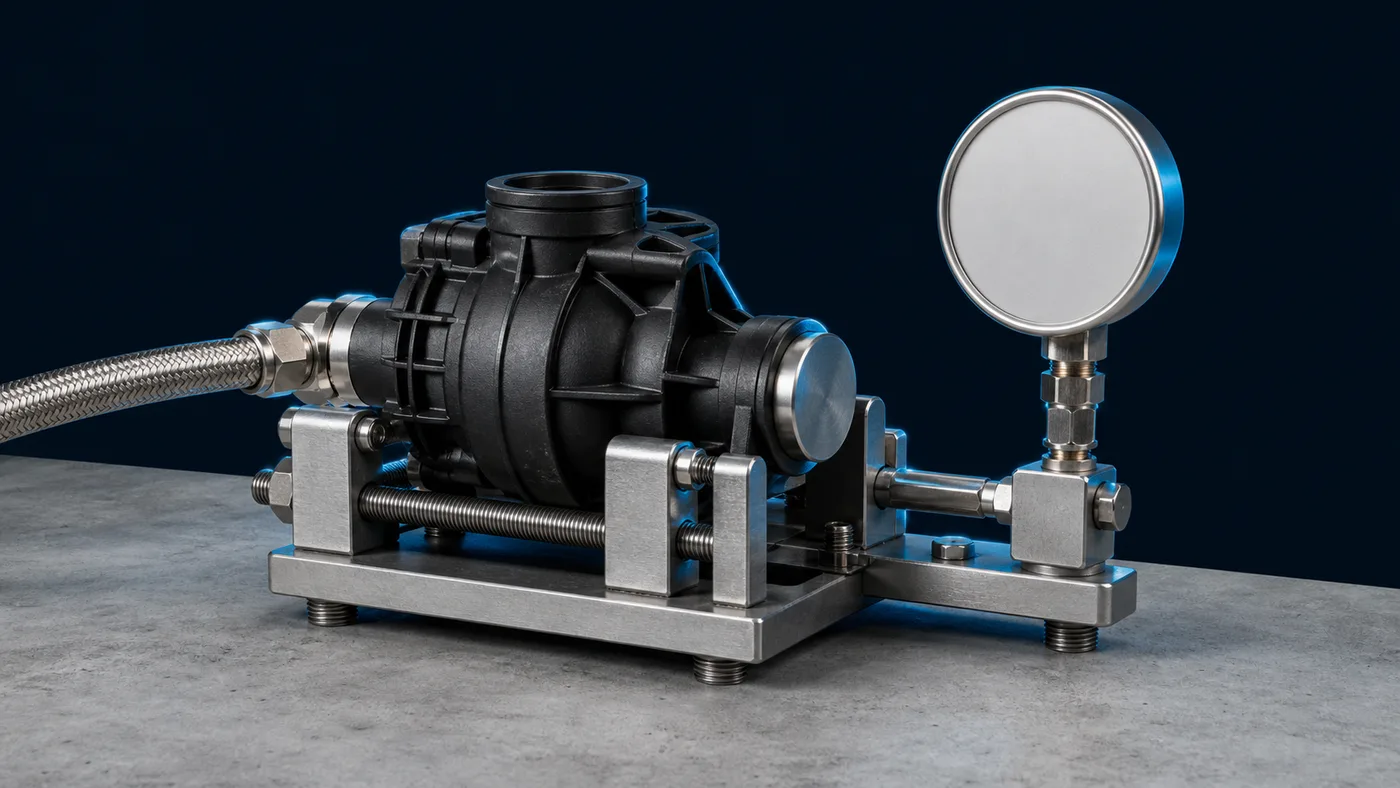
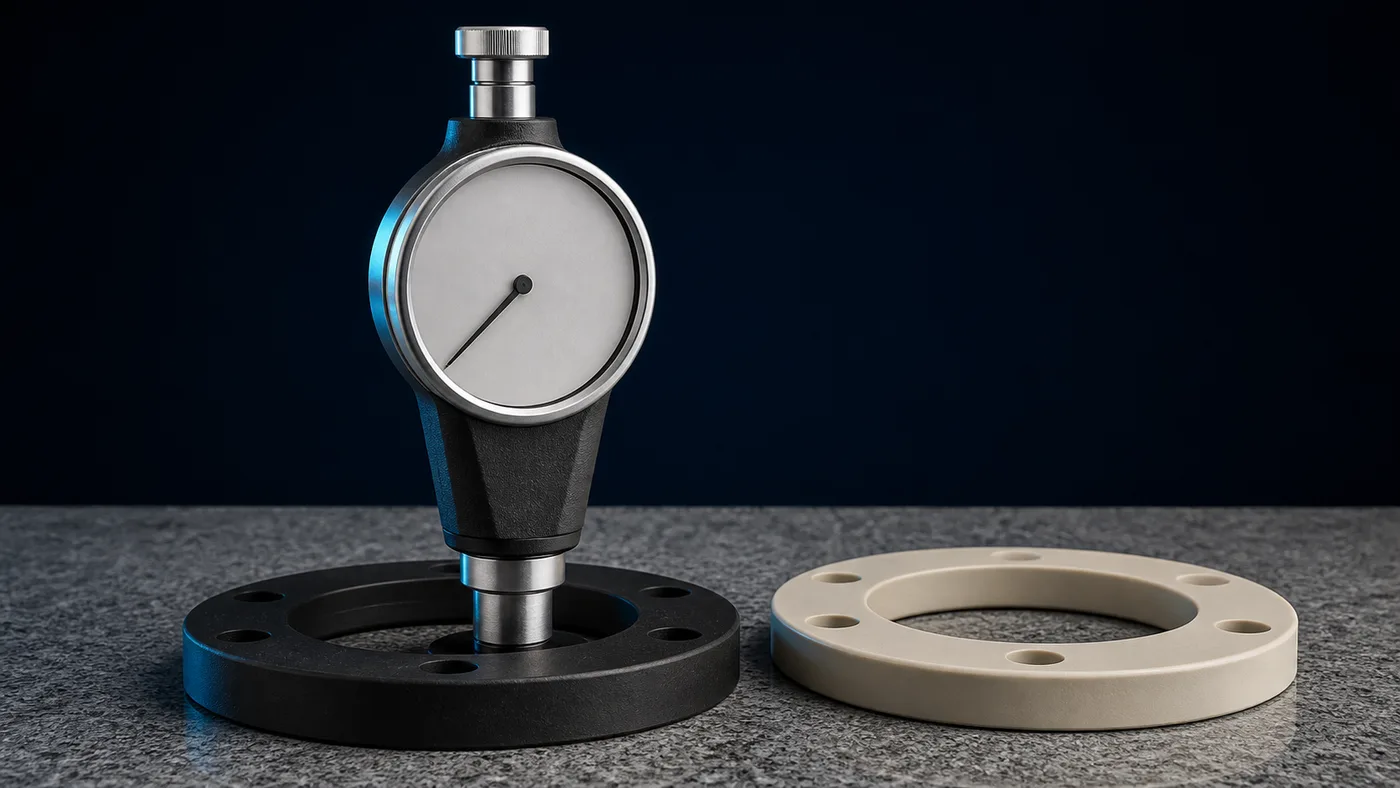
Material test reports. A laboratory result for a material — composition, hardness, temperature resistance. These are genuinely useful because they are about the thing you are buying. Ask what standard was tested against; a report with no named standard is a piece of paper.
RoHS / REACH. Substance restrictions. RoHS matters for electrical items; REACH is broader and applies if you sell into the EU.
Prop 65. A California warning requirement, not a certification. If you sell into California this is a labelling obligation to understand rather than a document to collect.
What actually applies to most pool parts
For the categories a distributor typically buys — sealing components, moulded housings, baskets, fittings, wet-end parts — the honest position is that there is often no mandatory product certification. They are replacement components, not listed appliances.
That is not a gap in the supplier's paperwork. It is the nature of the product.
Where certification genuinely applies:
- Gas-fired appliance components — inside the appliance's listing, which is why these should not be substituted at all
- Electrical components in listed equipment
- Anything with a stated potable-water or sanitation function
- Anything you market with a specific performance claim — the claim creates the obligation
The hierarchy of what is worth asking for
| Document | What it proves |
|---|---|
| Test report for your part, against a named standard | Most |
| Material specification with a test report | High |
| First-article inspection record with measurements | High — arguably more useful than any certificate |
| Product certification, where genuinely applicable and listed | High, but check the listing |
| ISO 9001 | Low on its own |
| A statement that parts meet requirements | Zero |
The third row deserves emphasis. For a moulded replacement part, an inspection record with actual numbers on your part is worth more than a system certificate, because it is about your part rather than about the supplier's filing cabinet.
How to ask so you get a useful answer
Vague requests produce vague documents. Specific ones produce either a specific document or an honest "we do not have that", which is also useful.
- ❌ "Please send your certifications."
- ✅ "For part X: what material, what temperature rating, and do you have a material test report for it?"
- ✅ "Is part X listed under [standard]? If so, under what listing number?"
- ✅ "Can you send the first-article inspection record for the most recent production run of part X?"
The answer to be suspicious of
A supplier who responds to any certification question with the same PDF has not read the question. A supplier who claims certifications that do not exist for that category — "NSF certified factory" — is either confused or hoping you are.
Conversely, a supplier who says "that standard does not apply to this part, here is the material report instead" is giving you a better answer than the one you asked for.
What to do about it as a distributor
Establish, once, what your market actually requires for the categories you sell. That is a conversation with your insurer, your legal counsel or a certification body — not with your supplier.
Then ask for the documents that apply and stop collecting the ones that do not. A folder full of system certificates provides no protection and creates a false sense that something was verified.
Sourcing
POOLPOINT will tell you what a part is made of, what temperature it is rated for, and what it was dimensioned against, and we will provide inspection records on request. Where a certification does not apply to a part category we will say so rather than sending an unrelated certificate. For gas train and safety components we do not supply the parts at all — those belong to the appliance's listing.