

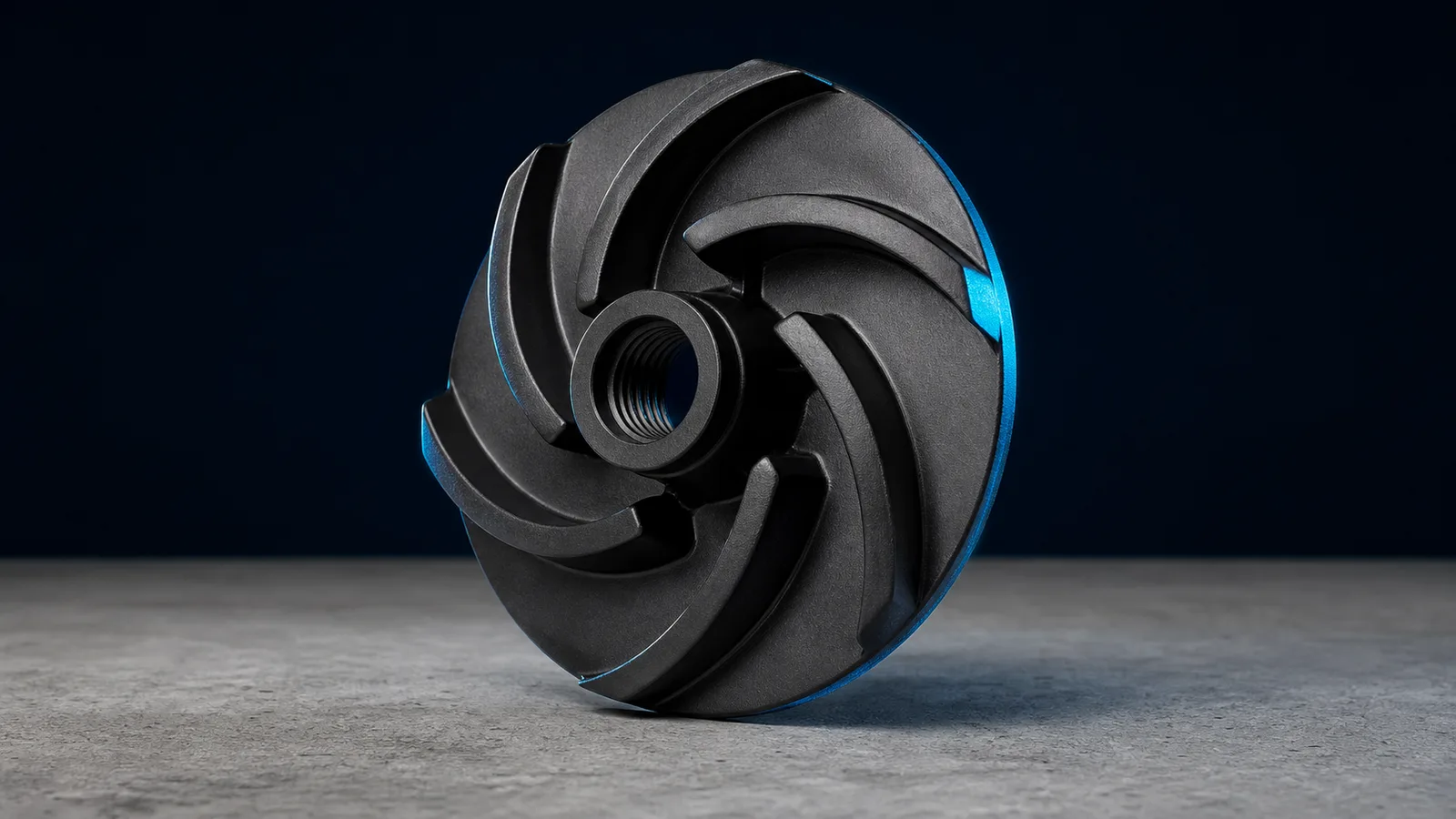
A Pentair WhisperFlo that has lost its flow rarely announces the cause. The filter gauge reads low, the returns feel soft, and the motor sounds close enough to normal that most owners blame a dirty filter. Very often the real problem sits at the impeller — either clogged with debris that slipped past the basket or simply worn down after years of service.
Clogged or worn: reading the symptoms
The single most useful clue is what the filter pressure gauge does. A dirty filter raises pressure; a starved pump lowers it. Weak returns combined with a filter gauge reading below its normal clean-filter baseline point upstream to the impeller or suction line, not the filter media.
Other signs that put the impeller on the suspect list:
- A gravel or marble sound from the wet end — cavitation noise from an impeller that cannot move the water the volute expects.
- Priming trouble: the pump catches prime slowly, or holds a partial prime with churning water visible under the lid.
- A load change on the motor: a clamp-meter reading that has drifted from the pump's documented baseline supports the diagnosis. What matters is the change from normal, not any single absolute number.
- History: a cracked strainer basket or skimmer basket in the past points toward a clog. Years of aggressive water, or DE returning from a damaged filter grid, point toward erosion of the vane tips.
A clogged impeller is cleared and returned to service. A worn one — thinned or shortened vanes, visible erosion at the eye, wobble on its hub — only gets worse, and replacement is the fix.
Before committing to a teardown, rule out the cheap explanations: a skimmer basket packed with leaves, a pool level below the skimmer throat, or a partially closed suction valve will mimic every symptom above. Two minutes of checking at the pool saves an hour of unnecessary bench work at the pad.
Prep and safety
Shut off power at the breaker, not just the timer or automation panel, and verify the pump cannot start. Relieve pressure at the filter's air relief valve. If the equipment pad sits below water level, close the suction and return isolation valves before opening the pump, then remove the drain plugs and let the wet end empty.
Opening the pump
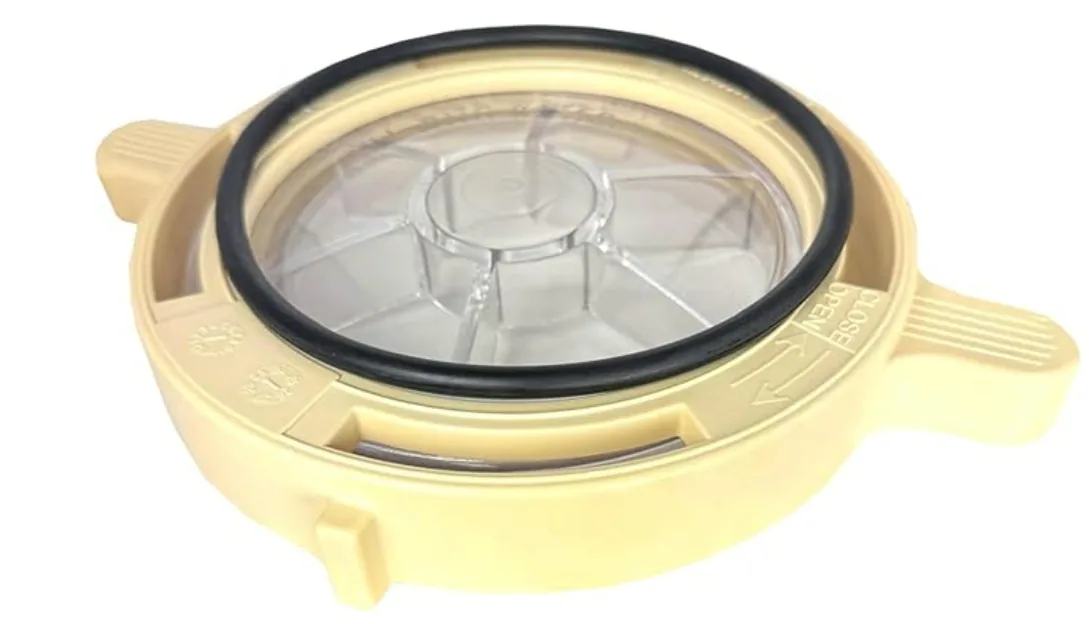
Start at the strainer end, because you will be in and out of it during the job. On WhisperFlo-family pumps the lid is held by a locking clamp ring, and after years of sun the ring and lid are often the first casualties of the repair itself: seized or crazed plastic that cracks the day you finally lean on it. If the ring fights you or the lid shows spider cracks, replace the set rather than reinstalling known-brittle parts — the RV57199 locking ring clamp, lid and o-ring set covers the WhisperFlo and IntelliFlo references listed in the table below.
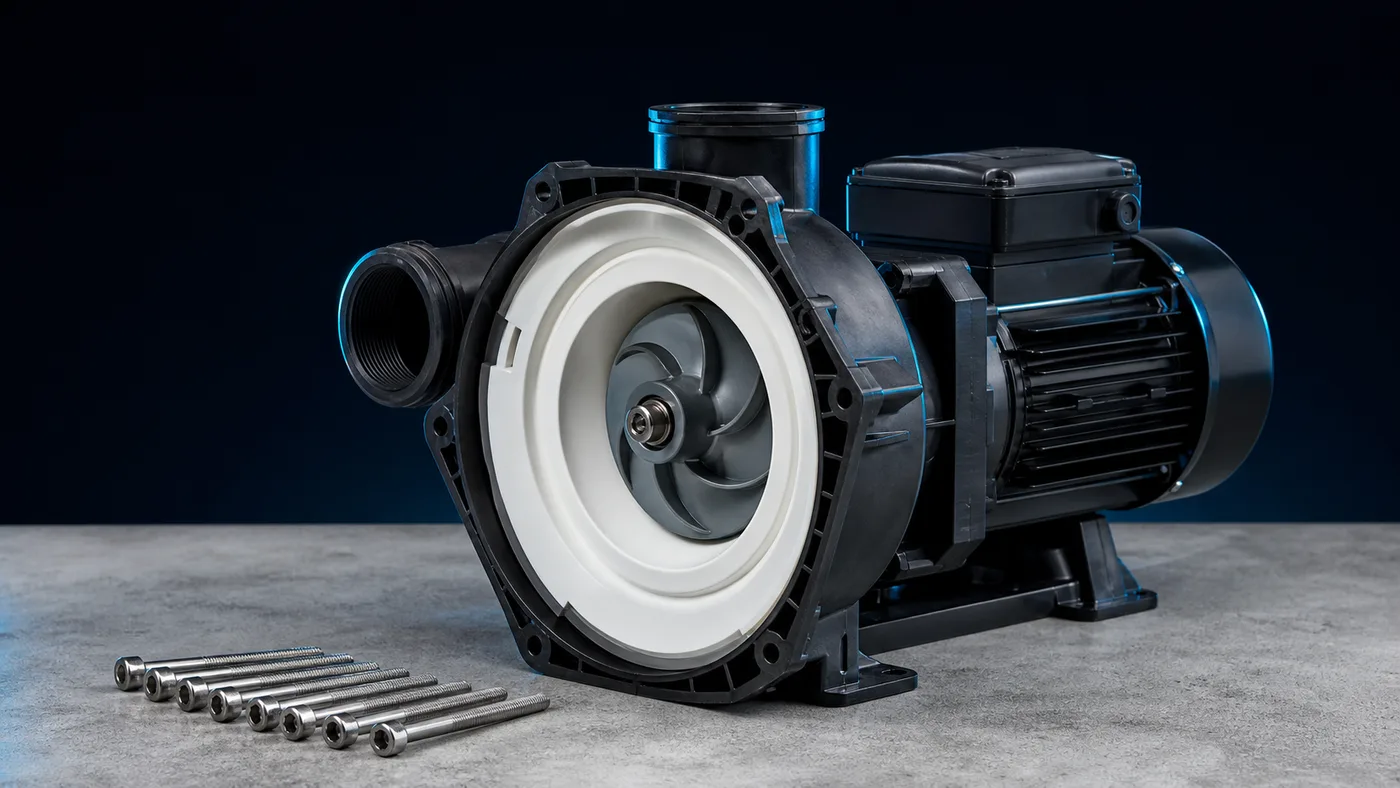
To reach the impeller, remove the fasteners joining the motor and seal plate assembly to the volute, then draw the assembly straight back. Keep the hardware together and note the diffuser orientation before disturbing it.
Swapping the impeller
- With the assembly on a bench, remove the diffuser to expose the impeller.
- Hold the motor shaft at the rear of the motor per its design so the shaft cannot spin.
- Unthread the impeller from the shaft. Impellers are threaded so that normal shaft rotation tightens them, so they unthread against the direction of rotation; confirm against the service literature for the specific pump rather than forcing a guess.
- If the impeller is clogged, clear the vanes with a hooked wire and flowing water, then inspect the vane tips and eye. Erosion, thinning or hub damage means the part goes in the bin.
- Thread the replacement from the
073127impeller kit onto the shaft until seated. - Replace the shaft seal while the pump is apart. Standard practice is a new seal any time the impeller comes off, because a disturbed seal rarely seals again. Keep bare fingers off the polished faces and use only water or a pool-service seal lubricant.
- Inspect the diffuser and its gasket, then reassemble: diffuser seated, seal plate o-ring lubricated with pool-grade silicone lubricant, fasteners drawn down evenly in an alternating pattern until snug. Plastic housings crack from enthusiasm, not from moderation.

First run and verification
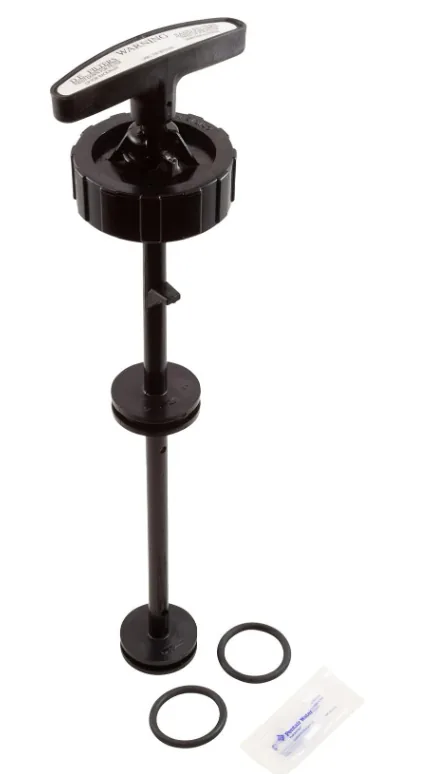
Open the isolation valves, fill the strainer pot with water, and fit the lid with its o-ring cleaned and lubricated. Restore power, open the filter air relief, and let the pump prime with the valve open until water sprays, then close it. Compare filter pressure and visible return flow against the pump's normal baseline. A correct impeller swap restores the old numbers; if flow is still short, go back and look for a suction-side air leak before condemning anything else.
Check the seal area again after the first full run and once more on the next visit. A new shaft seal that was installed clean and square stays dry; a drip that appears within days means the seat went in cocked or the faces were contaminated during handling, and the pump needs to come apart again before the motor pays the price.
Cross-reference table
Both parts used in this procedure map to the following Pentair OEM references.
| OEM number | POOLPOINT part | Notes |
|---|---|---|
Pentair 071444 |
073127 |
Impeller replacement kit application |
Pentair 071652 |
073127 |
Impeller replacement kit application |
Pentair 073127 |
073127 |
Direct aftermarket equivalent |
Pentair 075713 |
073127 |
Impeller replacement kit application |
Pentair 357102 |
073127 |
Impeller replacement kit application |
Pentair 350013 |
RV57199 |
Locking ring clamp, lid and o-ring set |
Pentair 357151 |
RV57199 |
Locking ring clamp, lid and o-ring set |
Pentair 357199 |
RV57199 |
Locking ring clamp, lid and o-ring set |
Pentair RV57199 |
RV57199 |
Direct aftermarket equivalent |
For service companies, these two SKUs pair naturally on the truck: nearly every impeller job on this platform involves handling the lid and clamp ring, and having the replacement set on hand converts a broken ring from a second visit into a five-minute add-on.
Sourcing
POOLPOINT produces both parts factory direct for US distributors, service companies and online sellers. MOQ starts at 50 pieces per SKU, with private label available. Request a quote for wholesale pricing.