

Ask an equipment manufacturer and every aftermarket part is a compromise. Ask an aftermarket supplier and every OEM part is the same thing with a markup. Both are selling. The useful answer is that the gap varies enormously by part type, and knowing which category you are in tells you more than any general claim.
What "OEM" actually means
Worth clearing up first, because the term is used loosely.
An equipment brand designs and sells pool equipment. Most of them do not mould their own o-rings, wind their own motors, or make their own pressure switches. Those come from component suppliers, arrive with the brand's part number applied, and go into a branded box.
So an "OEM part" often means a part specified by the equipment brand and made by somebody else. This matters because it sets a realistic expectation: the question is not whether an aftermarket part can match a mysterious in-house standard, it is whether a different supplier can hit the same specification.
For some parts that is straightforward. For others it is not, and the difference is not where people assume.
Where the difference is real
Anything with electronics or a safety function. Control boards, ignition modules, high-limit switches, flow and pressure safety devices. These sit inside a certification boundary. Even where an equivalent component exists, substituting it can void a listing and shift liability. Treat this category as closed unless you have specific certification advice.
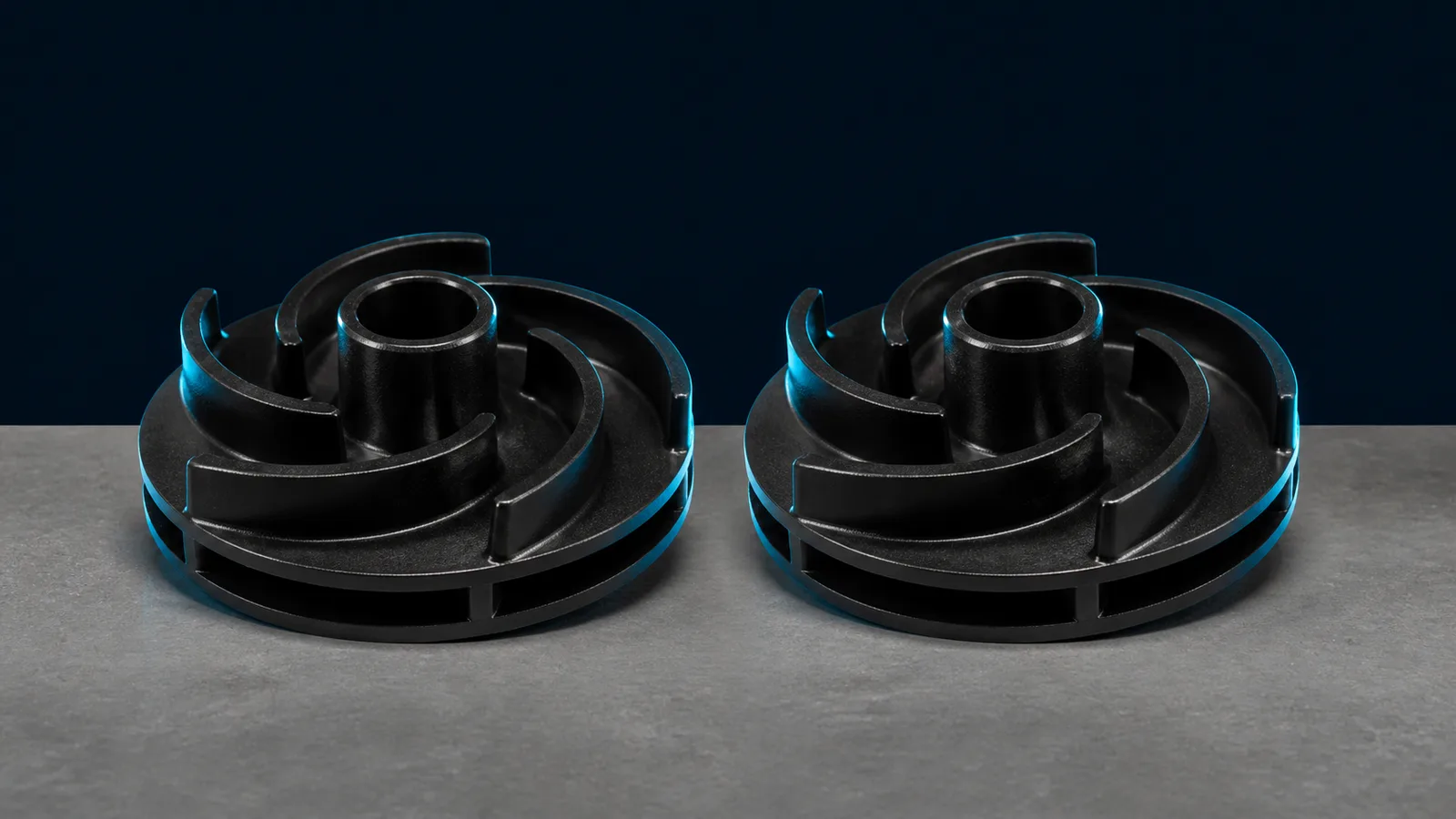
Precision rotating assemblies under load. Not every impeller — but a high-head pump impeller running near its design limit is a part where small geometry differences show up as measurable performance loss.
Anything where the original is itself a specialist part. Heat exchangers, for example, involve material and joining processes that are not commodity work.
Where the difference is mostly marketing
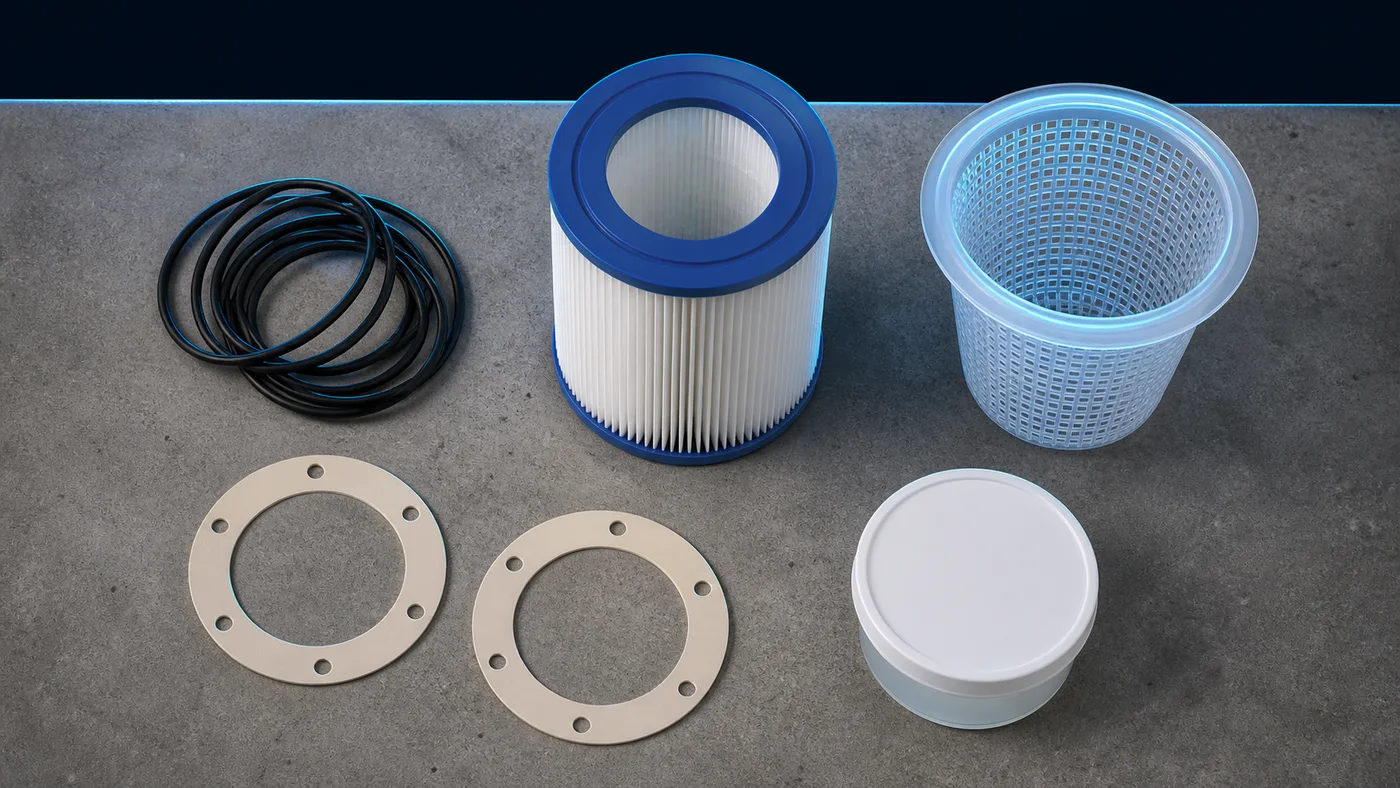
Sealing components. O-rings, gaskets, seals. The specification is dimensional plus material, both of which are verifiable. A correctly specified EPDM o-ring is a correctly specified EPDM o-ring. This is why sealing parts are where aftermarket has the strongest position — and where most distributors sensibly start.
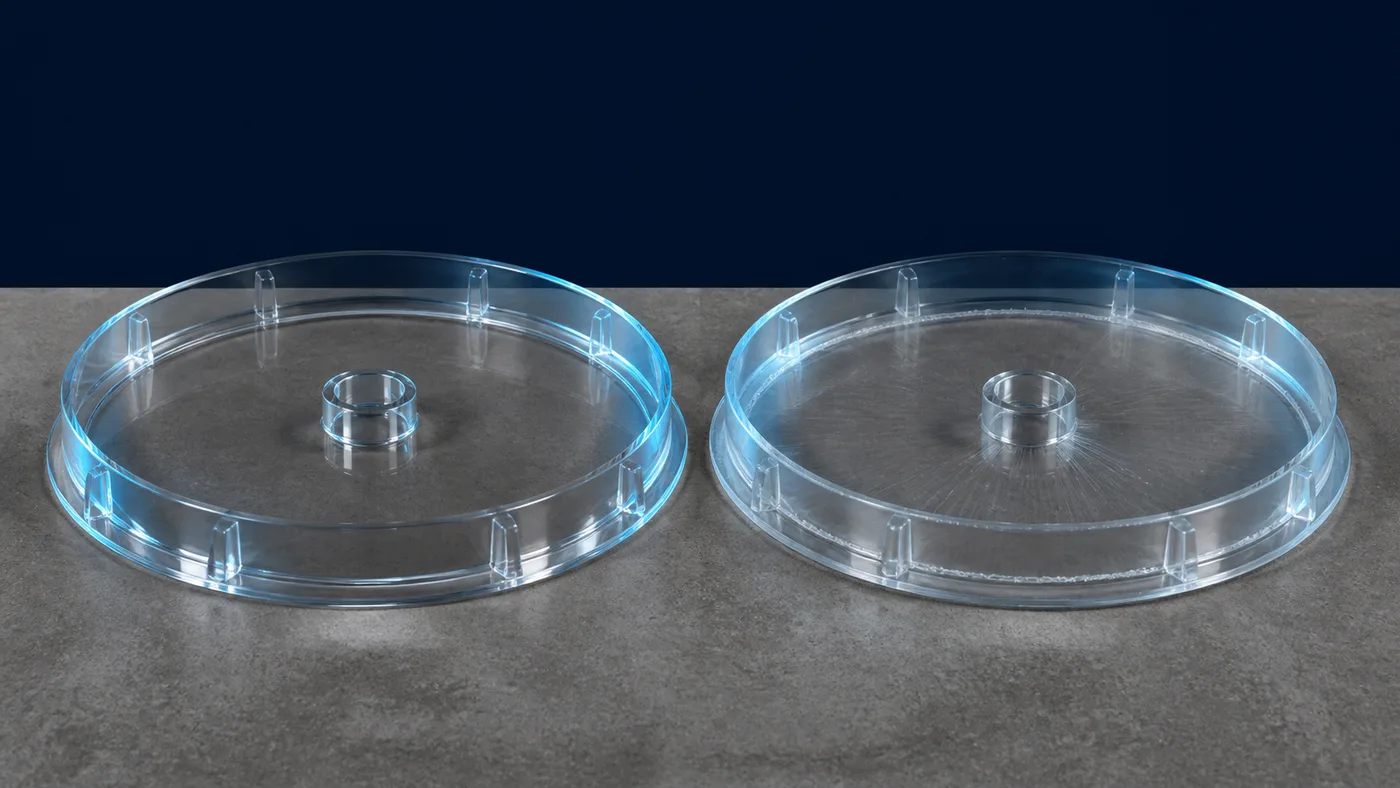
Baskets, lids, covers, housings. Fit and material, nothing exotic. Failure modes are UV and chemical exposure, addressed by material selection, which is a specification question rather than a brand question.
Fittings and unions. Commodity moulded parts to dimensional standards.
Hardware. Bolts, clips, washers. Frequently the same standard fasteners in a branded bag at a large multiple.
The category that decides it: consumables
The parts a service company replaces on a schedule — seals, o-rings, gaskets, baskets, diverter components, lids — are the highest-volume, most price-sensitive, and lowest-risk part of the catalogue.
They are also where the OEM markup is proportionally largest, because they are sold as accessories rather than as equipment. That combination is why aftermarket exists and why sensible programmes start there rather than trying to replace an entire catalogue at once.
What actually determines quality in an aftermarket part
Three things, in order:
1. Dimensional verification against a real original. Not a drawing, not a photograph — a physical sample, measured, with the critical interfaces identified. The interfaces are the part; everything else is bulk.
2. Material specification, held over time. Most quality decline in aftermarket parts is material substitution under cost pressure. Glass-filled becomes unfilled; EPDM becomes something cheaper that hardens in a season. This is why material belongs on the purchase order.
3. Process control between production runs. The first run is usually fine because everyone is watching. The question is whether the fifth matches it, and that depends on whether anyone records first-article dimensions and checks them again.
Notice what is not on the list: who owns the brand.
The comparison that matters
| OEM | Well-made aftermarket | Poorly-made aftermarket | |
|---|---|---|---|
| Dimensional match | By definition | Verified against a sample | Approximate |
| Material | Specified, usually undisclosed | Specified, disclosed on request | Whatever costs least this quarter |
| Consistency | Managed | Depends on process control | Varies run to run |
| Availability | Through the brand's channel | Direct, usually faster | Whenever the container lands |
| Price | Highest | Meaningfully lower | Lowest |
The real distinction is not the middle column against the left. It is the middle column against the right — and the two look identical in a photograph.
How to tell them apart before you buy
Three questions, and they are the same three from the quality list:
- What was this dimensioned against, and which dimensions are checked?
- What material is it, and will you put that on the purchase order?
- What happens between production runs to keep them the same?
A supplier who answers those specifically is in the middle column. One who answers with adjectives — premium, high quality, factory grade — has told you which column they are in.
Where to start
If you are introducing aftermarket into a range that is currently all OEM, the low-risk sequence is:
- Sealing components — highest volume, most verifiable, lowest risk
- Baskets, lids and covers — visible parts, so customer feedback comes fast
- Fittings and unions — commodity, easy to validate
- Pump wet-end components — higher value, needs proper validation
- Stop. Electronics, gas train and safety devices are a different conversation with different advice
Most distributors find that steps 1 to 3 cover the majority of their unit volume anyway.
Sourcing
POOLPOINT manufactures aftermarket replacement parts and does not describe them as anything else. We will tell you the material, what the part was dimensioned against, and which dimensions we check — and we will tell you when a part is one we would not recommend switching. Factory direct, MOQ 50 pcs, single-piece samples for validation.